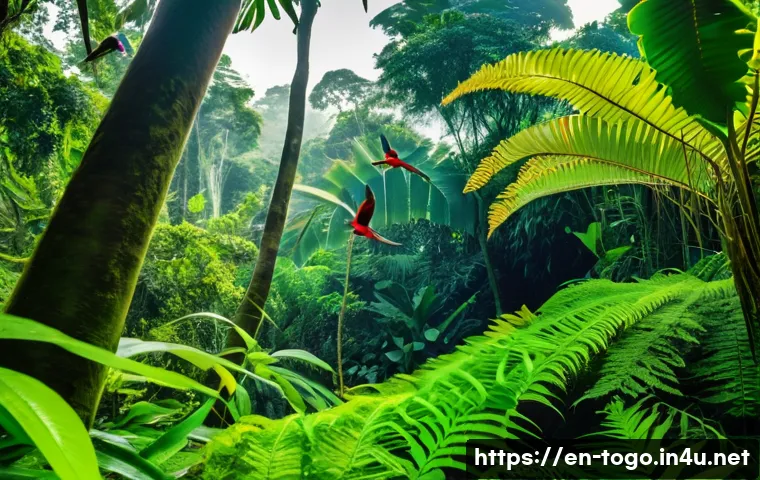
Togo is emerging as a fascinating destination for eco-tourism, blending its rich biodiversity with sustainable travel initiatives. The country’s unique ecosystems, from lush forests to vibrant wetlands, offer travelers a chance to connect deeply with nature.
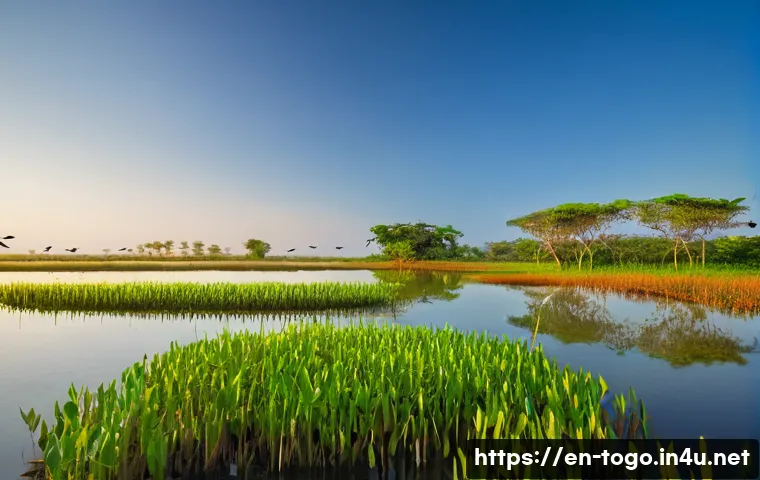
Local communities are actively involved in preserving these habitats while sharing their culture and traditions. This balance between conservation and tourism is creating new opportunities for economic growth and environmental awareness.
If you’re curious about how Togo is shaping its eco-tourism future and what makes it stand out, let’s dive into the details ahead!
Exploring Togo’s Diverse Natural Habitats
From Tropical Forests to Coastal Wetlands
Togo’s landscape is a treasure trove of diverse ecosystems, each offering a unique glimpse into the country’s rich biodiversity. The southern region, with its dense tropical forests, is home to a variety of wildlife species that are rarely seen elsewhere.
Walking through these forests, you can encounter monkeys swinging from branches, vibrant bird species, and a lush undergrowth teeming with life. Moving towards the coast, the wetlands present a completely different environment.
These wetlands act as crucial breeding grounds for fish and migratory birds, making them a haven for birdwatchers and nature enthusiasts alike. The contrast between these habitats is striking and offers visitors a well-rounded eco-tourism experience that’s both educational and deeply immersive.
Protected Areas and National Parks
Togo has made significant strides in designating several protected areas to conserve its natural heritage. Parks like Fazao-Malfakassa National Park and Kéran National Park serve as vital refuges for endangered species and native plants.
The government, alongside local communities, has been actively involved in monitoring these areas to prevent illegal hunting and logging. As someone who’s visited Fazao-Malfakassa, I can attest to the feeling of serenity that comes from being surrounded by untouched wilderness.
These parks are not only important for conservation but also provide eco-tourists with guided safari experiences that highlight the importance of sustainability.
Community-Led Conservation Initiatives
What sets Togo apart is the active role local communities play in preserving their environment. Many villages near protected areas have established community forests where they manage resources sustainably.
These initiatives ensure that locals benefit economically from tourism while maintaining their traditional ways of life. I’ve had the chance to meet villagers who run eco-lodges and lead nature walks, sharing stories about their land and customs.
Their passion and knowledge add a meaningful layer to any visit, making the experience more authentic and impactful.
Innovative Sustainable Tourism Practices in Togo
Eco-Friendly Accommodations
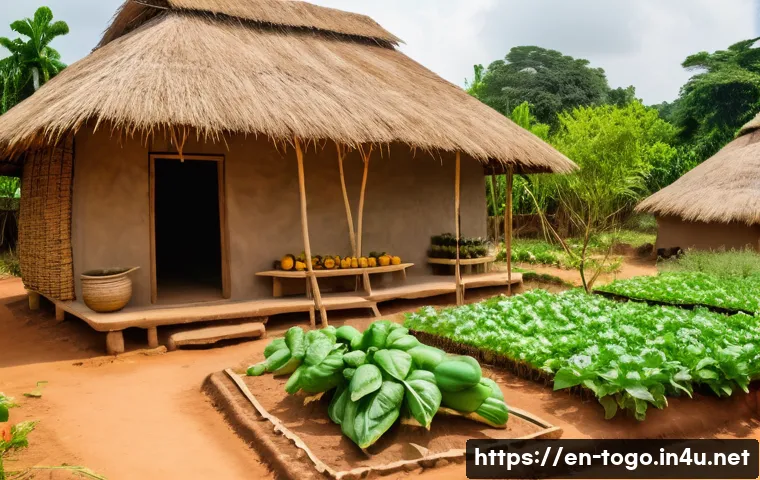
Togo is embracing sustainability in the tourism sector by promoting eco-friendly accommodations that minimize environmental footprints. Many lodges and guesthouses are constructed using local materials such as bamboo and clay, which blend naturally into the surroundings.
These accommodations often utilize solar power and rainwater harvesting systems, reducing reliance on non-renewable resources. During my stay at an eco-lodge near Lake Togo, I was impressed by how thoughtfully designed it was — from composting toilets to organic gardens that supplied fresh produce.
These practices not only appeal to environmentally conscious travelers but also help preserve the delicate ecosystems around them.
Low-Impact Activities for Tourists
Instead of mass tourism attractions, Togo offers activities that encourage travelers to engage with nature responsibly. Birdwatching tours, guided forest hikes, and canoe trips through wetlands are popular options that create minimal disturbance.
These low-impact activities allow visitors to observe wildlife and landscapes without contributing to habitat degradation. I remember a canoe trip where we quietly glided through mangroves, spotting colorful kingfishers and listening to the gentle splash of water — an experience that left a lasting impression without any environmental cost.
Partnerships with International Conservation Groups
To bolster its eco-tourism efforts, Togo collaborates with international NGOs and conservation organizations. These partnerships bring in technical expertise, funding, and global awareness, helping to strengthen local projects.
For instance, joint efforts have led to the establishment of monitoring programs that track endangered species and habitat health. Being involved in one such project, I witnessed firsthand how data collected by local guides was crucial in adjusting conservation strategies.
This synergy between local knowledge and international support creates a robust foundation for sustainable tourism growth.
Empowering Local Communities through Eco-Tourism
Economic Benefits for Rural Villages
Eco-tourism in Togo is more than just a travel trend; it’s a lifeline for many rural communities. By attracting visitors interested in nature and culture, these areas gain new income sources that reduce reliance on traditional, sometimes harmful, livelihoods such as logging or hunting.
Locals have started small businesses like craft markets, guided tours, and homestays, which directly benefit from tourism revenue. I chatted with several artisans who expressed how their craft sales have improved thanks to increased visitor interest, providing them with a steady income and a reason to preserve their cultural heritage.
Education and Environmental Awareness
Tourism also plays an educational role, raising awareness about environmental issues both among visitors and locals. Many eco-tourism projects include workshops and interpretive centers where tourists learn about biodiversity, conservation challenges, and sustainable practices.
These programs often involve children and youth from nearby villages, fostering a new generation of environmental stewards. When I visited one such center, I was struck by the enthusiasm of young guides who shared their knowledge with pride, showing how tourism can inspire community-wide commitment to conservation.
Preserving Cultural Traditions Alongside Nature
A unique aspect of Togo’s eco-tourism is the integration of cultural experiences with environmental conservation. Visitors are invited to participate in traditional festivals, cooking classes, and storytelling sessions that celebrate local heritage.
This cultural immersion complements the natural exploration, offering a holistic travel experience. I found that these interactions create a deeper connection to the place and its people, reinforcing the idea that protecting nature and culture go hand in hand.
Challenges and Future Prospects for Eco-Tourism in Togo
Balancing Development and Conservation
Despite its promising growth, Togo’s eco-tourism faces challenges related to infrastructure and resource management. Expanding tourism facilities without harming the environment requires careful planning and regulation.
I noticed that some areas still lack proper waste disposal systems and adequate visitor information, which can lead to unintended damage. However, ongoing efforts to improve infrastructure while maintaining strict environmental standards show a commitment to sustainable growth.
Climate Change Impacts on Ecosystems
Climate change poses a significant threat to Togo’s fragile ecosystems. Altered rainfall patterns and rising temperatures affect species distribution and wetland health.
Local communities, whose livelihoods depend on natural resources, feel these impacts acutely. I recall a conversation with a fisherman near Lake Togo who mentioned how fish populations have shifted, impacting catches and income.
Addressing these challenges requires integrating climate resilience into eco-tourism strategies to ensure long-term sustainability.
Enhancing Visitor Experiences through Technology
To attract more eco-conscious travelers, Togo is exploring the use of technology to enhance visitor engagement. Apps for self-guided tours, virtual reality experiences showcasing wildlife, and digital platforms connecting tourists with local guides are some innovations being tested.
From personal experience, these tools can enrich the travel experience by providing deeper insights and easier access to information, encouraging responsible tourism behavior.
Key Features of Togo’s Eco-Tourism Initiatives
| Aspect | Details | Benefits |
|---|---|---|
| Protected Areas | Fazao-Malfakassa, Kéran National Parks | Conservation of endangered species, guided eco-tours |
| Community Involvement | Community forests, eco-lodges, cultural programs | Economic empowerment, cultural preservation |
| Sustainable Practices | Solar energy, rainwater harvesting, eco-friendly materials | Reduced environmental footprint, natural resource conservation |
| Eco-Tourism Activities | Birdwatching, canoe trips, forest hikes | Low-impact wildlife observation, immersive nature experience |
| Partnerships | International NGOs, conservation groups | Technical support, funding, global awareness |
Wildlife Encounters That Leave a Lasting Impression
Spotting Rare and Endemic Species
Togo’s eco-tourism shines when it comes to unique wildlife sightings. The country is home to some species that are endemic or rarely found elsewhere in West Africa.
On a guided hike, I was lucky enough to spot the Togo slippery frog, a species that’s quite elusive. Bird enthusiasts can also delight in spotting the white-crowned robin-chat, known for its melodic calls.
These encounters create unforgettable memories and highlight the importance of preserving such biodiversity.
Night Safaris and Nocturnal Wildlife
For the adventurous, Togo offers night safari experiences that reveal a hidden world of nocturnal creatures. Guided by local trackers, visitors can witness species like bush babies and various reptiles that only emerge after dark.
During one such safari, the thrill of hearing animal calls in the darkness and glimpsing glowing eyes was an eye-opener to the rich nocturnal life that often goes unnoticed.
These tours emphasize the delicate balance of ecosystems and the need to protect them at all hours.
Conservation Success Stories
Efforts to protect wildlife have already yielded encouraging results. Some species previously on the brink of extinction have seen population recoveries thanks to habitat protection and anti-poaching measures.
During visits to certain reserves, it’s common to hear stories of how community vigilance and conservation programs have saved species like the African grey parrot.
These success stories not only boost morale but also serve as proof that responsible eco-tourism can make a real difference.
Traditional Cuisine and Local Flavors in Eco-Tourism
Farm-to-Table Experiences
Many eco-tourism operators in Togo are incorporating local cuisine into their offerings, emphasizing farm-to-table concepts. Visitors get to taste dishes prepared with fresh, organic ingredients sourced from nearby farms or gathered from the wild.
I had the pleasure of enjoying grilled tilapia caught fresh from Lake Togo, accompanied by traditional sauces made with locally grown spices. This approach supports local agriculture and offers tourists a genuine taste of Togolese culture.
Cooking Workshops with Community Hosts
Participating in cooking workshops hosted by local families is a highlight for many travelers. These sessions are not only fun but also educational, revealing the cultural significance of each dish and ingredient.
When I joined one such workshop, the warmth and hospitality of the hosts made the experience feel like being part of a family gathering. Learning to prepare dishes like fufu or grilled plantains deepened my appreciation for the country’s culinary heritage.
Sustainable Food Practices
Sustainability extends to food choices within eco-tourism, with an emphasis on minimizing waste and promoting seasonal eating. Many eco-lodges compost food scraps and use biodegradable packaging, reducing environmental impact.
Additionally, relying on local produce reduces the carbon footprint associated with imported foods. These practices align perfectly with the overarching eco-tourism goals, creating a seamless connection between nature, culture, and sustainability.
Conclusion
Togo’s rich natural habitats and dedicated eco-tourism initiatives offer a unique and authentic experience for travelers seeking both adventure and sustainability. From vibrant wildlife encounters to community-driven conservation, the country demonstrates how tourism can support environmental and cultural preservation. Embracing innovation and local participation, Togo is steadily carving out its place as a meaningful eco-tourism destination.
Useful Information to Keep in Mind
1. When visiting Togo’s protected areas, hiring local guides enhances the experience and supports community livelihoods.
2. Eco-friendly accommodations often use solar energy and sustainable materials, so consider staying in lodges that prioritize these practices.
3. Participating in low-impact activities like birdwatching and canoe trips helps preserve fragile ecosystems while offering immersive nature experiences.
4. Engaging in cultural programs and cooking workshops provides deeper insight into Togolese traditions alongside natural exploration.
5. Be mindful of waste disposal and respect local conservation rules to contribute positively to Togo’s eco-tourism efforts.
Key Takeaways
Balancing tourism development with environmental conservation is crucial for Togo’s future as an eco-tourism hotspot. Community involvement plays a vital role in sustaining both nature and culture, while innovative sustainable practices reduce tourism’s ecological footprint. Addressing challenges like climate change and infrastructure gaps will ensure that eco-tourism benefits continue to grow without compromising the country’s natural heritage. Travelers can make a meaningful impact by choosing responsible options and supporting local initiatives throughout their visit.
Frequently Asked Questions (FAQ) 📖
Q: What makes Togo a unique destination for eco-tourism compared to other
A: frican countries? A1: Togo stands out because of its diverse ecosystems packed into a relatively small area, ranging from dense tropical forests to expansive wetlands.
This diversity allows travelers to experience a variety of habitats without extensive travel. What really impressed me during my visit was how local communities are not just passive observers but active stewards of the environment, blending traditional knowledge with modern conservation efforts.
Unlike some destinations where tourism overwhelms nature, Togo strikes a genuine balance, making eco-tourism feel authentic and respectful.
Q: How involved are local communities in Togo’s eco-tourism initiatives?
A: Local communities in Togo play a central role in eco-tourism. From what I’ve seen and heard from locals, many villages have embraced sustainable tourism as a way to protect their natural heritage while improving livelihoods.
They often serve as guides, hosts, and cultural ambassadors, sharing traditional crafts, folklore, and farming practices that highlight their connection to the land.
This involvement ensures that tourism benefits both the environment and the people, creating a positive cycle of preservation and economic opportunity.
Q: What are some must-see eco-tourism spots in Togo for nature lovers?
A: For anyone passionate about nature, Togo offers several unforgettable spots. The Fazao-Malfakassa National Park is a highlight, boasting rich biodiversity and chances to spot rare wildlife.
The Tamberma Valley, with its unique mud tower houses, offers cultural immersion alongside scenic landscapes. Don’t miss Lake Togo, where vibrant wetlands teem with birdlife and provide peaceful boat excursions.
Personally, spending time in these areas gave me a deep sense of connection to both the environment and the local culture, which is the hallmark of Togo’s eco-tourism experience.