Exploring Togo’s vibrant culture and stunning landscapes is an adventure worth savoring, and finding the perfect place to stay can truly enhance your experience.
Whether you’re drawn to the bustling capital Lomé or the serene beaches along the Gulf of Guinea, Togo offers a diverse range of accommodations to suit every traveler’s taste and budget.
From charming guesthouses with local flair to upscale hotels featuring modern comforts, there’s something for everyone. I’ve personally discovered some hidden gems that combine comfort with authentic Togolese hospitality, making every night memorable.
If you want to make your trip seamless and enjoyable, choosing the right lodging is key. Let’s dive into the best accommodation options that Togo has to offer!
Discovering Lomé’s Unique Accommodation Experiences
Charming Guesthouses with a Local Touch
Many travelers I’ve met rave about the warmth and authenticity found in Lomé’s guesthouses. These are often family-run places where you get to experience Togolese hospitality firsthand.
The hosts usually go out of their way to make you feel at home, sharing stories about local culture and sometimes even inviting guests to traditional meals.
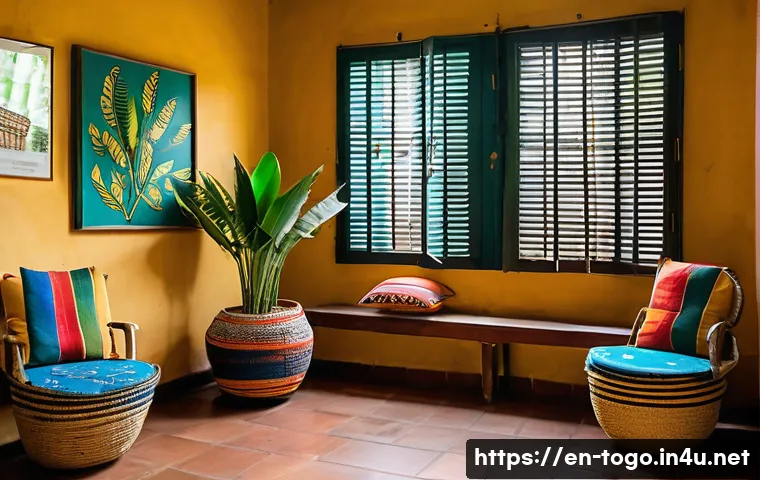
The decor tends to reflect local art and crafts, giving rooms a cozy yet vibrant atmosphere. Staying in a guesthouse not only supports the local economy but also provides a deeper connection to the city’s heartbeat.
I personally enjoyed waking up to fresh coffee brewed by the host, which made the start of my days all the more special.
Upscale Hotels with Modern Comforts
If you prefer a more polished and convenient stay, Lomé has several upscale hotels that blend comfort with style. These places often feature amenities like swimming pools, gyms, and restaurants serving international cuisine alongside local dishes.
What stood out to me was how many of these hotels incorporate elements of Togolese design into their interiors, offering a refined cultural vibe without sacrificing luxury.
They’re perfect for business travelers or anyone who wants a hassle-free experience with reliable services like airport shuttles and high-speed internet.
Booking a room in one of these hotels guarantees a restful night after exploring the city’s lively markets and beaches.
Budget-Friendly Hostels and Guesthouses
For backpackers or those traveling on a tight budget, Lomé offers a good range of affordable hostels and simpler guesthouses. While these accommodations might not have all the bells and whistles, they excel in providing clean, safe, and welcoming environments.
What I liked about these spots is the opportunity to meet fellow travelers, often sharing tips and plans for day trips. Many hostels organize group outings to places like the Akodessewa Fetish Market or the Lomé Grand Market, making it easy to explore without renting a car.
Plus, you’ll find that local eateries nearby serve delicious street food at unbeatable prices.
Coastal Retreats: Beachfront Stays Along the Gulf of Guinea
Seaside Resorts for Relaxation and Adventure
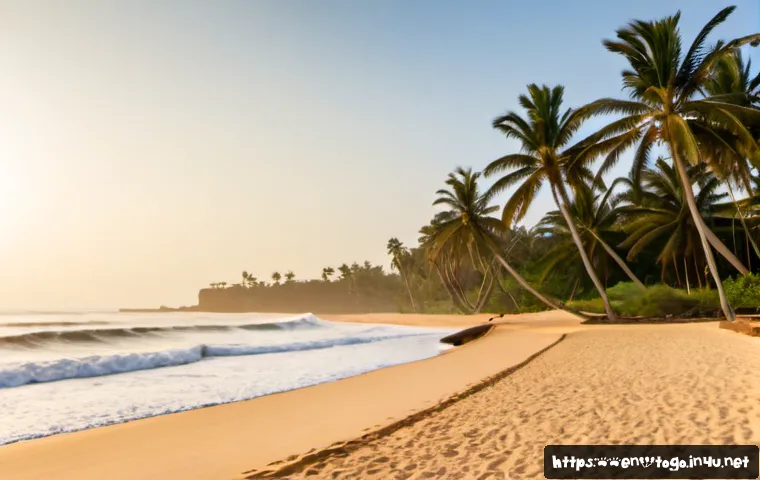
The coastline of Togo boasts some stunning beaches, and staying at a seaside resort is a fantastic way to enjoy them. Resorts here offer a mix of relaxation and adventure—imagine waking up to the sound of gentle waves, then spending your day snorkeling or sailing.
Many resorts provide guided tours to nearby fishing villages or offer cultural workshops where you can learn about traditional weaving and cooking. I found that these places strike a great balance between tranquility and activity, making them ideal for both solo travelers and families.
Their well-maintained grounds and attentive staff ensure that every detail of your stay is taken care of.
Cozy Beach Bungalows with Local Flavor
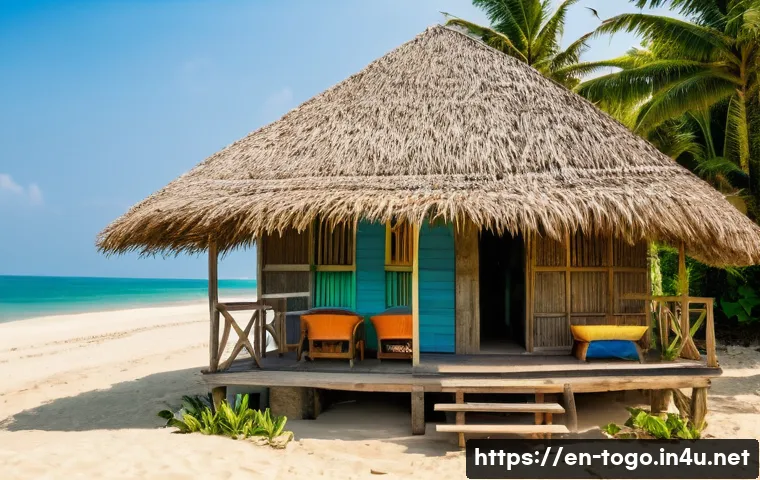
For a more intimate experience, beach bungalows scattered along Togo’s coast provide charming and private accommodations. These bungalows are often built with local materials like palm leaves and wood, blending seamlessly into the natural surroundings.
Staying in one feels like a mini escape from the hustle and bustle, where you can enjoy sunrise views right from your porch. I appreciated how some bungalows are run by local families who share insider knowledge about the best hidden spots for swimming or dining.
It’s a simple yet enriching way to connect with the coastal lifestyle.
Affordable Lodging Near the Shore
If you want the beach vibe without a hefty price tag, Togo’s coastal towns have numerous affordable hotels and guesthouses just a short walk from the water.
These places might be more modest but are clean, comfortable, and often include breakfast with your stay. I’ve stayed in several of these and found that the friendly hosts often help arrange transport or excursions, which can save you time and hassle.
Plus, you’re never far from local markets and eateries where you can sample fresh seafood and tropical fruits. This option is perfect if you want to stretch your travel budget while still soaking up the seaside atmosphere.
Exploring Interior Towns: Authentic Stays Beyond the Coast
Eco-Lodges Nestled in Nature
Togo’s interior is dotted with eco-lodges that offer a peaceful retreat surrounded by lush landscapes. These lodges focus on sustainability and often use solar power and rainwater harvesting, which impressed me as a traveler who values eco-friendly practices.
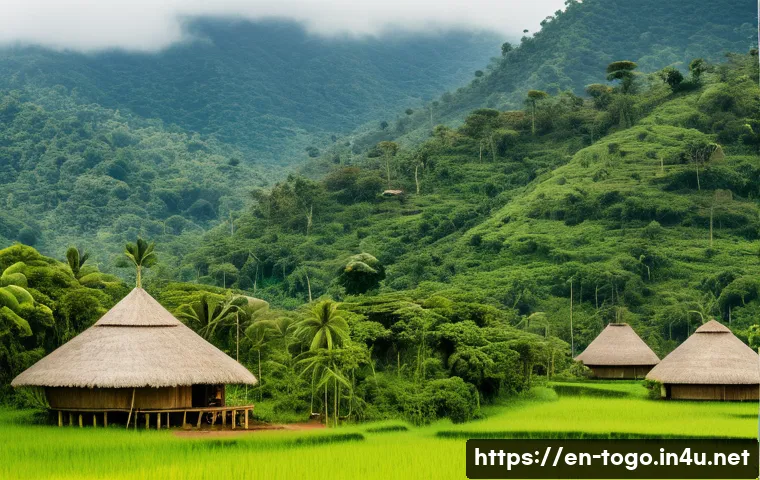
Waking up to bird songs and the sight of rolling hills is something I’ll never forget. Many eco-lodges organize nature walks, birdwatching tours, and visits to nearby villages, providing a full cultural immersion.
Staying here feels like a refreshing break from city life while supporting environmental conservation efforts.
Traditional Village Homestays
For those craving an authentic cultural exchange, homestays in traditional villages offer a unique window into Togolese daily life. Living with a local family means sharing meals, participating in farming or craft activities, and celebrating festivals if the timing is right.
I found these experiences deeply enriching, as they break down the typical tourist barrier and foster genuine connections. It’s a chance to learn about customs, folklore, and cuisine in the most personal way possible.
While these stays might lack modern conveniences, the hospitality and stories you gain are priceless.
Comfortable Mid-Range Hotels in Regional Towns
Regional towns like Kpalimé and Sokodé have comfortable mid-range hotels that blend local charm with essential amenities. These hotels often serve as hubs for exploring nearby waterfalls, mountains, and cultural sites.
I appreciated how the staff could arrange guides and transport, making day trips hassle-free. The rooms typically feature air conditioning and reliable Wi-Fi, which is a welcome comfort after a day of hiking or sightseeing.
Staying in these towns gives you a chance to explore less-touristy parts of Togo while enjoying dependable accommodations.
Comparing Accommodation Types in Togo
| Accommodation Type | Typical Price Range (USD per night) | Key Features | Ideal For |
|---|---|---|---|
| Guesthouses in Lomé | 20 – 50 | Local hospitality, cultural decor, family-run | Culture seekers, budget travelers |
| Upscale Hotels in Lomé | 70 – 150 | Modern amenities, pools, restaurants | Business travelers, luxury seekers |
| Beach Resorts | 80 – 200 | Waterfront location, recreational activities | Families, couples, adventure lovers |
| Beach Bungalows | 40 – 90 | Private, local materials, coastal views | Couples, solo travelers |
| Eco-Lodges | 50 – 100 | Sustainable practices, nature immersion | Eco-conscious travelers, nature lovers |
| Village Homestays | 15 – 35 | Authentic cultural experience, family stays | Culture enthusiasts, immersive travelers |
How to Choose the Best Accommodation for Your Trip
Consider Your Travel Style and Priorities
When I planned my Togolese adventure, I realized that knowing my travel style helped narrow down accommodation options. If you’re all about cultural immersion, guesthouses and homestays provide a richer experience than a standard hotel.
On the other hand, if comfort and convenience top your list, upscale hotels or beach resorts might be the way to go. It’s also worth thinking about how much time you want to spend in your room versus exploring.
For instance, if your lodging has great communal spaces or organizes activities, it could enhance your overall trip.
Evaluate Location for Activities and Accessibility
Location plays a huge role in shaping your daily itinerary. Staying in Lomé puts you close to markets, museums, and nightlife, which is great if you want a vibrant urban vibe.
Coastal accommodations are perfect if you’re aiming to relax by the sea or enjoy water sports. Meanwhile, eco-lodges and village homestays offer a quieter pace but might require arranging transport in advance.
From my experience, balancing proximity to sights with the tranquility you desire can make or break your trip’s flow.
Check Reviews and Communicate with Hosts
Before booking, I always spend time reading recent reviews and reaching out to hosts with questions. This helps set realistic expectations about the property and the level of service.
Many Togolese hosts are very responsive and happy to share insider tips or help with logistics. Don’t hesitate to ask about safety, amenities, or any specific needs you have.
A little communication upfront can save surprises later and often leads to a warmer welcome upon arrival.
Local Hospitality: What to Expect from Togolese Hosts
The Warmth of Togolese Welcomes
One of the highlights of my trip was the genuine warmth of Togolese hosts. Whether in a bustling guesthouse or a quiet village home, I was consistently met with smiles, offers of help, and invitations to share meals.
This openness creates a welcoming atmosphere that makes you feel like more than just a visitor. Many hosts take pride in showcasing their culture, which adds an enriching layer to your stay.
It’s not uncommon to be invited to join family celebrations or local ceremonies, turning your accommodation into a cultural hub.
Personalized Service and Local Insight
Togolese hosts often go beyond the typical hotel service by offering personalized recommendations tailored to your interests. I found this incredibly helpful when planning day trips or finding hidden gems off the beaten path.
Hosts might arrange transport, book guides, or even cook traditional dishes for you. This hands-on approach makes a big difference, especially in a country where infrastructure can sometimes be unpredictable.
It feels more like staying with a knowledgeable friend than just renting a room.
Respecting Local Customs and Traditions
Understanding and respecting local customs can enrich your experience and strengthen your connection with hosts. For example, modest dress and polite greetings are appreciated in many areas.
I noticed that taking a little time to learn a few words in Ewe or Kabiyé often brought smiles and fostered goodwill. Hosts usually appreciate when guests show interest in their way of life, which encourages more meaningful interactions.
This mutual respect creates a positive atmosphere that benefits both travelers and communities.
Practical Tips for Booking and Staying in Togo
Best Times to Book and Visit
From what I’ve gathered and experienced, booking accommodations a few weeks in advance is wise, especially during peak travel seasons from November to March.
This period features pleasant weather and attracts more tourists, so popular spots can fill up quickly. Conversely, the rainy season from June to September might offer lower prices but requires planning for potential disruptions.
I once snagged a last-minute deal during the shoulder season, which turned out to be a great bargain without crowds.
Payment Methods and Currency Considerations
Most accommodations accept cash in West African CFA francs, so it’s handy to carry some local currency. While some upscale hotels take credit cards, smaller guesthouses and homestays often prefer cash payments.
ATMs are available in Lomé but can be scarce in remote areas, so I recommend withdrawing enough cash beforehand. It’s also a good idea to clarify payment terms when booking, as some places may ask for deposits or full payment upfront via mobile money or bank transfer.
Staying Safe and Comfortable
Safety is always a priority, and I found that choosing well-reviewed accommodations in safe neighborhoods helps ease any concerns. Many places have secure entrances and friendly staff who watch out for guests.
Bringing along essentials like mosquito repellent and a portable charger proved useful during my stays. Also, being flexible and patient with occasional power outages or water shortages made the trip more enjoyable.
Overall, embracing the local rhythm and having a positive attitude enhances comfort no matter where you stay.
In Conclusion
Choosing where to stay in Togo offers a wonderful opportunity to connect with its rich culture and stunning landscapes. Whether you prefer cozy guesthouses, beachfront resorts, or eco-lodges, each option brings its own unique charm. My experiences showed me that thoughtful accommodation choices can truly enhance your travel memories. Embrace the warmth of Togolese hospitality and enjoy every moment of your stay.
Useful Tips to Keep in Mind
1. Book accommodations a few weeks ahead, especially during the busy season from November to March, to secure the best options and prices.
2. Carry local currency (West African CFA francs), as many smaller lodgings prefer cash payments over cards.
3. Communicate with your hosts before arrival to clarify amenities, safety, and any special needs you might have.
4. Bring essentials like mosquito repellent and a portable charger to stay comfortable during unexpected outages or inconveniences.
5. Respect local customs by learning a few greetings in native languages and dressing modestly to foster goodwill and meaningful interactions.
Key Takeaways for Your Togo Trip
Picking accommodation that matches your travel style and priorities is crucial for a smooth and enjoyable trip. Consider location carefully to balance accessibility with the atmosphere you want. Engaging with hosts and reading recent reviews helps set realistic expectations and often leads to a more personalized experience. Always prepare for local payment methods and basic travel essentials to avoid surprises. Lastly, embracing the local culture and maintaining a positive attitude will make your stay in Togo truly unforgettable.
Frequently Asked Questions (FAQ) 📖
Q: What are the best areas to stay in Togo for first-time visitors?
A: For first-time visitors, Lomé, the capital city, is a fantastic starting point because it offers a lively mix of culture, markets, and nightlife. Staying near the city center or close to the beach gives you easy access to restaurants, museums, and local attractions.
If you prefer a more relaxed vibe, the coastal towns along the Gulf of Guinea, like Aneho or Togoville, provide peaceful beachfront accommodations with stunning views and a chance to unwind by the sea.
Personally, I found that balancing a couple of nights in Lomé with a stay at a quieter beachside guesthouse made the trip feel both exciting and restorative.
Q: Are there affordable accommodation options in Togo that still offer good comfort and local charm?
A: Absolutely! Togo has plenty of budget-friendly guesthouses and small hotels that don’t skimp on comfort or authenticity. Many of these places are family-run, providing a warm welcome and a genuine taste of Togolese hospitality.
For example, I stayed at a charming guesthouse in Lomé where the hosts shared homemade meals and insider tips on local spots, which really enhanced my experience.
These accommodations often feature basic but clean rooms, free Wi-Fi, and easy access to markets or beaches, making them perfect for travelers who want to stretch their budget without sacrificing comfort.
Q: What should travelers consider when choosing accommodation in Togo?
A: When selecting accommodation in Togo, it’s important to think about location, safety, and amenities. If you’re planning to explore urban life, staying in Lomé’s well-reviewed hotels or guesthouses close to key attractions and transportation hubs is smart.
For beach lovers, look for places that offer secure parking and are near the shore. Also, check if the lodging has reliable electricity and water, as these can be inconsistent in some areas.
From my own experience, reading recent guest reviews and communicating directly with hosts helped me avoid surprises and ensured a smooth, comfortable stay throughout my trip.