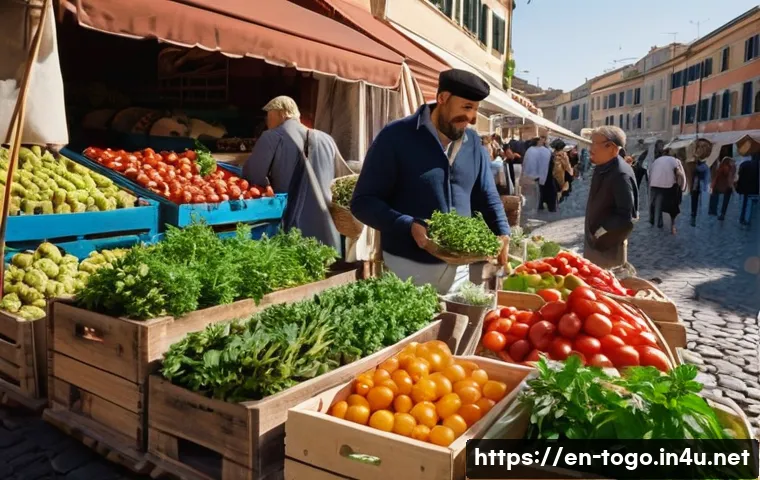
Exploring the vibrant heart of Rome’s central market is like stepping into a living tapestry of culture, flavors, and colors. From the bustling stalls brimming with fresh produce to the enticing aromas of traditional street food, every corner offers a new discovery.
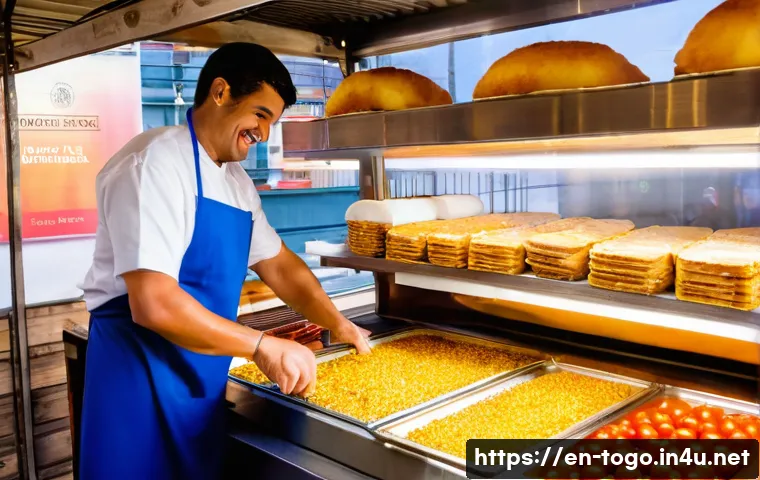
Locals and tourists alike gather here, creating an energetic atmosphere that captures the essence of daily Roman life. Whether you’re a foodie eager to taste authentic delicacies or a culture enthusiast curious about local crafts, this market promises an unforgettable experience.
Let’s dive in and uncover all the hidden gems waiting to be explored! I’ll guide you through everything you need to know in the following sections.
Discovering the Fresh Flavors of Roman Produce
Seasonal Bounty and Local Specialties
Walking through the market, you immediately notice the vibrant array of fruits and vegetables that scream freshness. What’s striking is how closely the offerings follow the seasons—juicy figs in late summer, crisp artichokes in early spring, and plump tomatoes bursting with flavor during the height of summer.
Local farmers bring their harvests directly here, so the produce isn’t just fresh; it’s bursting with authentic Roman terroir. I’ve found that chatting with vendors often reveals fascinating stories about how each vegetable or fruit is grown, which adds a personal touch you won’t find in supermarkets.
Artisan Cheese and Cured Meats
No Roman market experience is complete without sampling the cheeses and cured meats. The stalls boast a mouthwatering selection from creamy buffalo mozzarella to aged pecorino romano, each offering a distinct taste that reflects the region’s rich culinary heritage.
I remember the first time I tasted a slice of guanciale—its delicate fattiness and smoky notes instantly elevated my appreciation for Roman cuisine. Vendors are usually happy to let you try small samples, which is a fantastic way to discover your favorites before buying.
Fresh Seafood and Daily Catch
Surprisingly, the central market isn’t just about land-grown products. The seafood section bursts with freshness, offering everything from shiny anchovies to plump clams and squid.
Because Rome is not far from the coast, the fish here is often delivered daily. I once bought some fresh sardines and grilled them right after returning to my apartment—the flavors were incomparable to anything I’ve had from frozen sections elsewhere.
It’s a treat to witness this connection between the sea and the city right in the heart of Rome.
Indulging in Authentic Roman Street Food
Classic Roman Snacks You Can’t Miss
Among the stalls, the aroma of frying oil and freshly baked goods draws you in like a magnet. The quintessential Roman street foods like supplì—fried rice balls filled with mozzarella—and pizza al taglio, which is pizza by the slice, are everywhere.
I’ve made it a point to sample these whenever I visit, and it’s easy to see why locals swear by these humble yet satisfying bites. The supplì, with its crunchy exterior and gooey center, is the perfect handheld snack for exploring the market.
Hidden Gems and Lesser-Known Delicacies
While pizza and supplì get most of the spotlight, there are other delicious treats that often fly under the radar. For example, trapizzino, a triangular sandwich filled with slow-cooked Roman stews, offers a unique blend of street food and home-cooked flavors.
Another delightful find is the porchetta panino—roast pork seasoned with herbs and served in a crusty roll. I’ve found these less commercialized options to be some of the most rewarding culinary experiences here, giving a real taste of local everyday life.
Sweet Treats and Artisan Pastries
If you have a sweet tooth, the market also delivers. You’ll find everything from fresh cannoli filled with ricotta to fragrantly spiced maritozzi buns glazed with sugar.
One of my favorite discoveries was a small stall specializing in gelato made with seasonal fruits sourced right from the market itself. Sampling a scoop of their pear or fig gelato on a warm afternoon felt like a perfect harmony of freshness and indulgence.
Exploring the Craftsmanship and Artisanal Goods
Handmade Jewelry and Unique Souvenirs
Beyond food, the market is a treasure trove of artisanal crafts. Small booths display delicate handmade jewelry, often inspired by Roman history and motifs.
I once bought a beautiful necklace featuring a tiny replica of a Roman coin, which now reminds me of the vibrant spirit of the market. These pieces aren’t mass-produced but crafted with care, making them perfect souvenirs or gifts that carry a story.
Traditional Textiles and Leather Goods
Another captivating aspect is the range of textiles and leather products. From hand-stitched leather bags to colorful scarves dyed using traditional methods, the market showcases the skill of local artisans.
I’ve noticed how these items blend practicality with artistic expression, often reflecting Roman culture in subtle ways. Watching the artisans at work or discussing their techniques adds depth to the shopping experience.
Pottery and Decorative Items
If you love home decor, the pottery stalls are worth a visit. You’ll find everything from rustic terracotta pots to beautifully painted ceramics. Many of these pieces draw inspiration from ancient Roman designs, yet they’re crafted for modern living.
I picked up a small vase adorned with classic Roman patterns, which now brightens up my dining table and reminds me of the market’s lively ambiance.
Tips for Navigating the Market Like a Local
Best Times to Visit to Avoid Crowds
Although the market is bustling most days, timing can make a big difference. Early mornings are ideal if you want to see the freshest produce and avoid the busiest crowds.
Late mornings tend to get packed, especially on weekends when both tourists and locals flood in. Personally, I find that visiting midweek mornings offers a quieter atmosphere and more chances to chat with vendors.
How to Haggle Respectfully
While prices are generally fixed, some stalls are open to a bit of friendly negotiation, especially if you’re buying in bulk or multiple items. The key is to be polite and genuine—vendors appreciate respect and a smile.
I’ve noticed that showing interest in their products and asking questions often leads to better deals or even small freebies, like an extra piece of fruit or a sample of cheese.
Payment Methods and Currency Tips
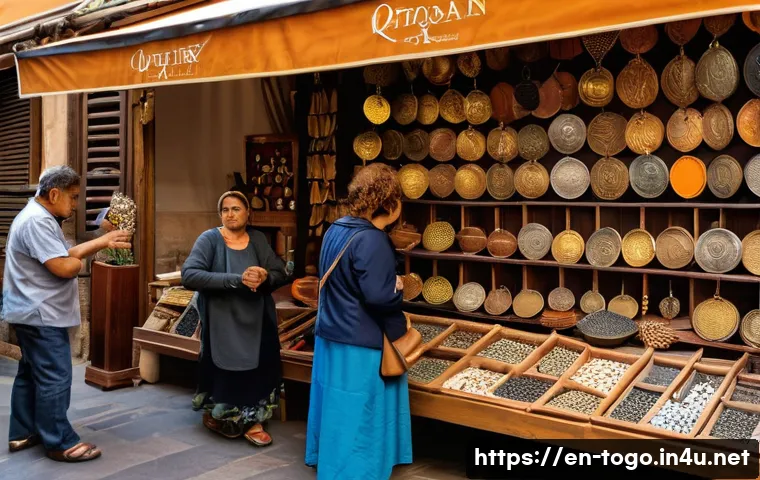
Most vendors accept cash, which remains king in the market. Some stalls now take cards or mobile payments, but it’s safer to carry euros in cash, especially for smaller purchases.
I usually withdraw a reasonable amount beforehand to avoid any inconvenience. Also, having small change ready can speed up transactions and make the experience smoother for both you and the sellers.
Understanding the Cultural Significance of the Market
A Hub of Community and Tradition
This market is more than just a place to shop—it’s a living social hub where traditions thrive. Families have been coming here for generations, vendors build relationships with regular customers, and the rhythm of the day follows a familiar pattern.
I’ve spent many afternoons just soaking in the lively chatter and witnessing how the market serves as a communal heartbeat, connecting people through food and stories.
Seasonal Festivals and Market Events
Throughout the year, the market hosts special events that celebrate local culture and cuisine. Seasonal festivals highlight particular products like truffles or olives, often accompanied by tastings, music, and workshops.
I had the chance to attend one such event last autumn, where I learned how to prepare traditional Roman dishes using market ingredients. These occasions provide a deeper appreciation for the region’s culinary heritage and bring an added layer of excitement.
The Market’s Role in Sustainable Living
In recent years, there’s been a growing focus on sustainability within the market community. Many vendors emphasize organic farming, zero-waste packaging, and supporting local producers.
I’ve noticed how this conscious approach not only benefits the environment but also enhances the quality and authenticity of what’s sold. Shopping here feels like contributing to a broader movement that values tradition, health, and ecological responsibility.
Market Highlights at a Glance
| Category | Examples | Why It Stands Out |
|---|---|---|
| Fresh Produce | Seasonal fruits, artichokes, tomatoes | Direct from local farms, vibrant flavors, seasonal variety |
| Cheese & Meats | Buffalo mozzarella, pecorino romano, guanciale | Authentic Roman taste, artisanal preparation, sampling available |
| Street Food | Supplì, pizza al taglio, trapizzino | Traditional recipes, handheld convenience, rich flavors |
| Seafood | Anchovies, clams, sardines | Fresh daily catch, coastal influence, great for cooking at home |
| Artisanal Crafts | Jewelry, leather goods, pottery | Handmade, culturally inspired, unique souvenirs |
Making the Most of Your Visit
Bring an Appetite and an Open Mind
I always recommend approaching the market with plenty of hunger and curiosity. There’s so much to try and see that it can be overwhelming, but embracing that feeling turns your visit into a delightful adventure.
Sampling unusual items, asking questions, and being open to new tastes make the experience richer and more memorable.
Engage with the Vendors
Don’t hesitate to strike up conversations with the people behind the stalls. Most are passionate about their products and love sharing insights or recipes.
I’ve learned so much simply by listening to their stories, which helped me replicate some dishes back home and deepen my connection to Roman culture.
Plan Extra Time for Exploration
This market isn’t a quick stop but a destination in itself. Giving yourself enough time to wander, sample, and shop without rushing lets you absorb the vibrant energy and discover hidden corners.
Whether it’s a small pastry shop tucked away or a vendor selling rare spices, those extra minutes often lead to the best surprises.
Conclusion
Exploring the Roman market is a feast for the senses and a deep dive into local culture. From fresh seasonal produce to authentic street food and handcrafted goods, every visit offers new discoveries. Engaging with vendors and savoring traditional flavors makes this experience truly memorable. Whether you’re a food lover or a curious traveler, the market invites you to connect with Rome’s vibrant heritage in a lively, welcoming atmosphere.
Useful Tips to Keep in Mind
1. Visit early in the morning to enjoy the freshest products and avoid large crowds, especially on weekends.
2. Be polite and genuine when negotiating prices; building rapport often leads to better deals or free samples.
3. Carry cash in euros, and keep small change handy for smoother transactions at most stalls.
4. Don’t hesitate to try lesser-known street foods like trapizzino or porchetta panino for a more authentic taste.
5. Allow extra time to explore the market fully, chat with vendors, and discover hidden artisanal treasures beyond food.
Key Takeaways
The Roman market is more than just a shopping spot—it’s a cultural hub where tradition, sustainability, and community come alive. Prioritize visiting during quieter times to get the best experience, and engage with local artisans and farmers to deepen your understanding of their craft. Embracing the market’s seasonal rhythms and diverse offerings will enrich your visit and leave lasting memories of Rome’s unique flavors and vibrant spirit.
Frequently Asked Questions (FAQ) 📖
Q: What are the best times to visit Rome’s central market to avoid the crowds?
A: From my experience, the early morning hours right when the market opens are the best time to visit if you want to avoid heavy crowds. Around 7 to 9 AM, the market is lively but not overwhelmingly busy, giving you a chance to explore stalls and chat with vendors without feeling rushed.
Late afternoons tend to get busier as both locals finishing work and tourists flood in, so plan accordingly if you prefer a more relaxed vibe.
Q: Are there any must-try foods or specialties at the market that truly capture Roman flavor?
A: Absolutely! One thing I always recommend is trying the supplì—these deep-fried rice balls stuffed with mozzarella and ragù are a staple street snack and simply delicious.
Also, don’t miss out on fresh mozzarella di bufala and some of the seasonal fruits and vegetables that burst with freshness. If you have a sweet tooth, sample some freshly made cannoli or artisanal gelato from local vendors; these treats really showcase authentic Roman tastes.
Q: Can I find unique handmade crafts or souvenirs at the market, and how should I approach bargaining?
A: Yes, the market isn’t just about food; you’ll find a variety of handmade leather goods, ceramics, and jewelry crafted by local artisans. When it comes to bargaining, it’s a bit different here compared to other countries—prices are usually fixed but sometimes vendors may offer a small discount if you’re buying multiple items or pay in cash.
I found that being polite and showing genuine interest often opens the door for friendly negotiations rather than aggressive haggling.