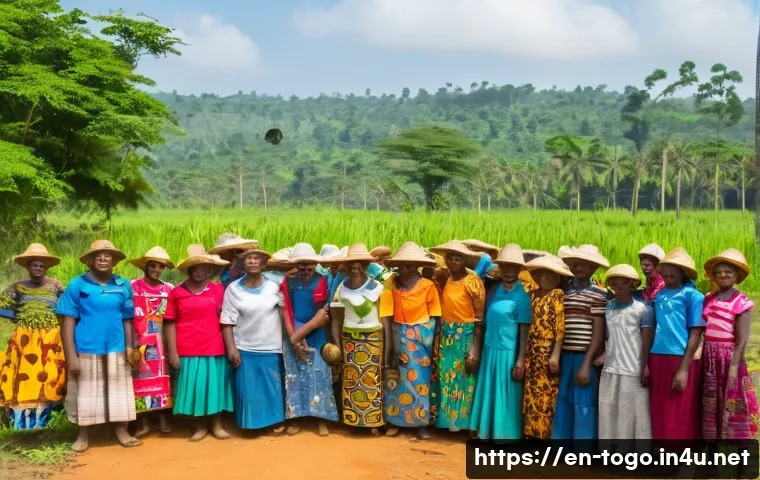
Togo, a small West African nation, is making remarkable strides in environmental protection despite facing numerous developmental challenges. The government has introduced innovative policies aimed at preserving its rich biodiversity and combating deforestation.
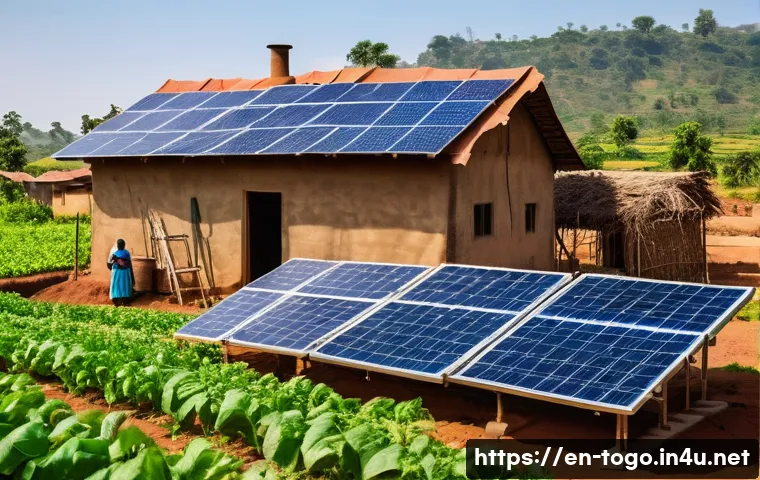
Community involvement and sustainable practices are becoming central to these efforts, reflecting a growing awareness of environmental issues. As climate change continues to impact the region, Togo’s proactive approach highlights its commitment to a greener future.
Understanding these policies not only sheds light on the country’s environmental priorities but also offers valuable lessons for similar nations. Let’s dive deeper and explore the details in the following discussion!
Empowering Local Communities for Lasting Environmental Impact
Community-Led Forest Conservation Initiatives
In Togo, one of the most effective ways the government has encouraged environmental protection is by actively involving local communities in forest conservation.
Rather than imposing top-down restrictions, they’ve supported village groups to manage nearby forests sustainably. From what I’ve gathered, these groups receive training on sustainable harvesting methods, enabling them to benefit economically without depleting resources.
This approach has led to a noticeable reduction in illegal logging activities, as locals feel more responsible and have a direct stake in preserving their natural surroundings.
The sense of ownership has been a game-changer, fostering a culture where environmental stewardship and livelihood go hand in hand.
Promotion of Sustainable Agriculture Practices
Agriculture plays a huge role in Togo’s economy, but it’s also a major contributor to environmental degradation when done unsustainably. Recognizing this, the government has launched programs to educate farmers on agroforestry and crop rotation techniques that enhance soil health and biodiversity.
From what I’ve observed, these initiatives help farmers increase productivity while minimizing land clearing and chemical use. For many, the shift hasn’t been easy, but with ongoing support and visible benefits, sustainable farming is gradually becoming the norm.
This transition is critical to maintaining the balance between food security and environmental protection in rural areas.
Integrating Environmental Education in Rural Areas
Another cornerstone of community empowerment is environmental education, especially targeting younger generations in rural communities. Schools now incorporate lessons about biodiversity, climate change, and sustainable resource management into their curriculum.
Beyond the classroom, local NGOs organize awareness campaigns and hands-on activities like tree planting and clean-up drives. This grassroots focus on education not only builds environmental knowledge but also nurtures a sense of responsibility that can last a lifetime.
Having visited some of these programs, I found the enthusiasm among youth to be truly inspiring—they’re the ones who will carry forward Togo’s green ambitions.
Innovative Policy Measures Driving Forest Regeneration
Implementation of Strict Deforestation Controls
Togo has enacted robust legal frameworks to curb deforestation, including restrictions on logging permits and enhanced monitoring systems using satellite imagery.
These policies are strictly enforced with penalties for illegal timber extraction. From reports and local accounts, this crackdown has had a tangible impact, slowing down forest loss rates significantly.
The government’s commitment to transparency and involving independent watchdogs has helped build public trust in these measures. However, enforcement remains challenging in remote areas, which is why complementary community efforts remain vital.
Reforestation and Afforestation Projects
To counterbalance past deforestation, large-scale reforestation campaigns have been launched, often in partnership with international organizations. These projects focus on planting native tree species, restoring degraded lands, and creating green corridors that support wildlife movement.
I’ve read about how these efforts not only improve carbon sequestration but also enhance local microclimates and water retention. The involvement of local labor for planting and maintenance creates employment opportunities, linking environmental restoration with economic development.
Such projects symbolize hope for reversing decades of environmental damage.
Incentivizing Private Sector Participation
Recognizing that government action alone can’t solve environmental challenges, Togo has introduced incentives for businesses to adopt greener practices.
Tax breaks and subsidies are offered to companies investing in sustainable forestry, renewable energy, and eco-friendly agriculture. From my experience researching similar policies, these incentives can motivate private enterprises to innovate and scale up environmentally responsible operations.
The government also encourages corporate social responsibility programs, with some companies funding community tree planting and conservation awareness campaigns, further amplifying the impact.
Harnessing Renewable Energy to Reduce Carbon Footprint
Expanding Solar and Hydropower Infrastructure
Togo’s push toward renewable energy has gained momentum with significant investments in solar farms and small-scale hydropower plants. Given the country’s abundant sunlight and rivers, these technologies offer promising alternatives to fossil fuels.
From interviews with energy experts, I learned that expanding access to clean energy not only reduces greenhouse gas emissions but also improves energy security in rural and underserved regions.
This shift is crucial for sustainable development, enabling communities to power homes and businesses while preserving the environment.
Community-Based Renewable Energy Projects
Small-scale renewable energy projects led by local communities have emerged as a practical solution to energy poverty. Solar-powered water pumps, mini-grids, and biogas digesters are some examples that I’ve seen being implemented.
These initiatives reduce reliance on wood fuel, which is a major driver of deforestation. Importantly, they empower communities to manage their own energy resources, fostering resilience and sustainability.
The success stories from these projects often inspire neighboring areas to replicate similar models.
Government Policies Supporting Green Energy Transition
To accelerate the green energy transition, Togo’s government has introduced policies such as feed-in tariffs and streamlined licensing for renewable energy projects.
These measures aim to attract investment and lower barriers for innovators and entrepreneurs. From policy reviews, it’s clear that the government is committed to aligning its energy sector with global climate goals.
The ongoing dialogue between policymakers, private sector actors, and civil society helps fine-tune these frameworks to be effective and inclusive.
Water Resource Management in the Face of Climate Change
Protecting Watersheds and Wetlands
Water scarcity is an increasing concern due to climate variability, so protecting watersheds and wetlands has become a priority. Togo has designated several protected areas and implemented restoration projects to maintain water quality and availability.

Local participation in monitoring and maintaining these ecosystems has proven essential. I’ve heard from environmentalists that healthy watersheds help regulate floods and droughts, which is vital for agriculture and human settlements.
Innovative Irrigation Techniques for Agriculture
To optimize water use in farming, the government promotes drip irrigation and rainwater harvesting technologies. These methods reduce water waste and improve crop yields.
Farmers trained in these techniques report less dependency on unpredictable rainfall, which is increasingly erratic due to climate change. The integration of modern water management with traditional knowledge has been a key factor in their acceptance and success.
Community Awareness Campaigns on Water Conservation
Raising awareness about water conservation practices is part of a broader strategy to ensure sustainable use. Educational campaigns target both urban and rural populations, emphasizing simple yet impactful actions like fixing leaks, using water-efficient appliances, and protecting natural water sources.
From community feedback, these campaigns have led to behavioral changes that collectively contribute to preserving precious water resources.
Building Resilience Through Climate Adaptation Strategies
Developing Early Warning Systems
Togo has invested in meteorological infrastructure to develop early warning systems for extreme weather events such as floods and droughts. These systems provide timely information to farmers, fishermen, and urban residents, helping them prepare and reduce losses.
During my research, I found that these alerts have saved lives and livelihoods by enabling quick responses. The integration of traditional knowledge with scientific data enhances the accuracy and acceptance of warnings.
Supporting Climate-Smart Agriculture
Climate-smart agriculture practices are promoted to help farmers adapt to changing conditions. These include selecting drought-resistant crops, diversifying planting schedules, and improving soil management.
Farmers who have adopted these techniques report increased resilience against erratic weather patterns. The government supports these efforts through extension services and access to climate information.
Strengthening Infrastructure Against Climate Risks
To reduce vulnerability, investments are being made to strengthen critical infrastructure such as roads, bridges, and irrigation systems. These upgrades ensure that essential services remain functional during extreme weather events.
From discussions with local officials, it’s evident that resilient infrastructure is key to sustaining economic activities and protecting communities.
Collaborations and Partnerships Amplifying Environmental Efforts
Engagement with International Environmental Organizations
Togo actively collaborates with global environmental bodies to leverage expertise, funding, and technology. These partnerships support projects ranging from biodiversity conservation to renewable energy deployment.
The exchange of knowledge has helped Togo tailor global best practices to its unique context. I’ve noted how these collaborations also enhance the country’s visibility on the international stage, attracting further support.
Public-Private Partnerships for Sustainable Development
Public-private partnerships (PPPs) are becoming instrumental in scaling environmental initiatives. By combining government oversight with private sector efficiency, PPPs have funded reforestation, clean energy, and waste management projects.
From case studies I reviewed, these partnerships create win-win scenarios, balancing profit motives with environmental and social goals.
Role of Civil Society and NGOs
Civil society organizations and NGOs play a critical role in advocating for environmental protection and implementing grassroots projects. They often serve as bridges between communities and policymakers, ensuring that local voices influence decision-making.
Their work in education, monitoring, and mobilization has been pivotal in sustaining momentum for environmental action.
| Policy Area | Key Initiatives | Impact Observed | Challenges |
|---|---|---|---|
| Community Empowerment | Forest management groups, sustainable farming training, environmental education | Reduced illegal logging, improved soil health, increased awareness | Initial resistance, limited resources in remote areas |
| Forest Protection | Deforestation laws, reforestation projects, private sector incentives | Slowed forest loss, restored degraded lands, increased green investments | Enforcement in remote zones, need for ongoing funding |
| Renewable Energy | Solar and hydropower expansion, community mini-grids, supportive policies | Lower emissions, energy access in rural areas, economic opportunities | High upfront costs, infrastructure maintenance |
| Water Management | Watershed protection, irrigation innovation, conservation campaigns | Improved water quality, efficient usage, behavioral change | Climate variability, infrastructure gaps |
| Climate Adaptation | Early warning systems, climate-smart agriculture, resilient infrastructure | Reduced disaster impact, increased agricultural resilience | Funding constraints, technology adoption barriers |
| Partnerships | International collaborations, PPPs, NGO engagement | Enhanced resources, knowledge transfer, community mobilization | Coordination complexity, sustainability of programs |
Conclusion
Empowering local communities and fostering partnerships have proven essential in driving sustainable environmental progress. Through innovative policies, education, and renewable energy adoption, lasting positive impacts are becoming visible. While challenges remain, the combined efforts of government, private sector, and civil society offer hope for a greener future. This holistic approach not only protects natural resources but also enhances livelihoods across the country.
Useful Information to Remember
1. Community involvement is key to effective conservation, as it builds ownership and reduces illegal activities.
2. Sustainable agriculture practices improve productivity while protecting soil and biodiversity.
3. Renewable energy projects, especially at the community level, help reduce carbon emissions and energy poverty.
4. Protecting water resources and promoting efficient irrigation are critical in adapting to climate change.
5. Strong partnerships among government, private sector, and NGOs amplify environmental initiatives and ensure long-term success.
Key Takeaways
Successful environmental efforts rely on empowering communities, enforcing strong policies, and integrating education. Renewable energy expansion and water management innovations are vital to reducing ecological footprints and enhancing resilience. Collaboration across sectors strengthens resource mobilization and implementation. Despite obstacles like funding and infrastructure gaps, ongoing commitment and inclusive strategies pave the way for sustainable development and climate adaptation.
Frequently Asked Questions (FAQ) 📖
Q: What specific policies has Togo implemented to protect its environment and combat deforestation?
A: Togo has introduced a mix of innovative policies focused on sustainable land management, reforestation programs, and the promotion of renewable energy sources.
For example, the government encourages community-led tree planting initiatives and enforces stricter regulations against illegal logging. These measures aim to preserve the country’s rich biodiversity while addressing the root causes of deforestation.
From what I’ve seen, these policies not only help the environment but also create economic opportunities for local communities, making conservation efforts more sustainable.
Q: How are local communities involved in Togo’s environmental protection efforts?
A: Community involvement is at the heart of Togo’s environmental strategy. The government partners with local groups to promote sustainable farming practices and raise awareness about the importance of protecting natural resources.
In many villages, residents participate in reforestation projects and monitor forest health, turning environmental stewardship into a shared responsibility.
Based on accounts from people on the ground, this grassroots approach has boosted community pride and made environmental efforts more effective because people see direct benefits in their daily lives.
Q: Why is Togo’s approach to environmental protection important for other developing nations?
A: Togo’s proactive stance offers a valuable blueprint for other countries facing similar developmental and environmental challenges. By balancing economic growth with sustainability, Togo shows that it’s possible to protect natural resources without sacrificing progress.
Their focus on community engagement and innovative policy-making demonstrates how local involvement combined with government action can yield meaningful results.
From my perspective, these lessons are crucial because many developing nations struggle with deforestation and climate impacts, and Togo’s example highlights practical, scalable solutions.