Togo can be explored for surfing along the Lomé–Aného coastal corridor, but you should verify conditions locally before treating it as a surf-focused trip.
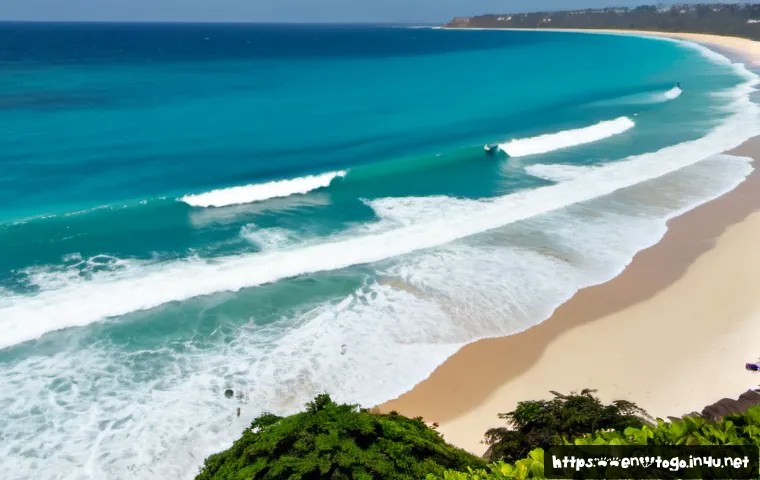
Lomé is the most practical arrival base, while the coast east toward Aného is the other logical area to investigate. For most travelers, Togo makes more sense as a beach and cultural stop with possible surf sessions than as a destination built around guaranteed breaks.
The key decision is whether you value exploration enough to accept limited surf services, uncertain equipment access, and changing beach conditions. Bringing a board, arranging transport, and checking travel-insurance terms can matter as much as wave forecasts.
If consistent coaching, rentals, and established surf logistics are your priority, a regional surf hub may be the more efficient choice.
At a Glance
- Lomé and the coast east toward Aného are the most practical areas to check for surf access in Togo.
- Beach conditions can shift quickly, so same-day local checks matter more than unverified online spot reports.
- Togo may suit independent explorers, while established regional surf destinations may better suit travelers who need rentals, lessons, and more predictable logistics.
| Decision Factor | Togo Exploration Trip | Established Regional Surf Destination |
|---|---|---|
| Best base | Lomé, with possible exploration east toward Aného | A recognized surf hub in countries such as Ghana, Senegal, Morocco, or Cape Verde |
| Surf-service availability | May be limited; verify lessons, guides, rentals, and repairs locally | More likely to have established surf services |
| Equipment approach | Bring a board only after comparing airline carriage and local transport options | Rentals may be easier to find, but availability should still be checked |
| Trip style | Flexible, exploratory, and combined with wider travel | More suitable when surfing is the main purpose |
| Planning priority | Local safety checks, beach access, transport, and a backup plan | Accommodation near breaks, coaching options, and seasonal planning |
Where to Start Looking for Waves in Togo
Lomé’s Urban and Nearby Beach Corridor
Lomé is the practical starting point for most international visitors because it is Togo’s coastal capital and the most straightforward arrival base. It gives you the easiest access to accommodation, airport transfers, local transport, and people who may be able to provide current beach information.
That convenience does not mean every nearby beach is a surf spot. The Gulf of Guinea coast can produce strong shorebreaks and currents even when the waves look modest from land. Before carrying a board down to the water, ask beach users and nearby accommodation staff whether the entrance, current, fishing activity, and water conditions look suitable that day.
A Lomé base works best when your schedule is flexible. Treat each beach visit as an assessment rather than assuming an online map pin represents a reliable, named break.
East Toward Aného and the Benin Border
Aného, east of Lomé and closer to the Benin border, is the other logical coastal area to investigate. It may appeal to travelers who want to combine beach exploration with a wider overland route rather than remain in the capital.
However, the further you move from your base, the more important transport planning becomes. Confirm how you will return if conditions are unsuitable, especially if you are carrying a surfboard. Do not assume that a scenic beach has board storage, a repair option, a guide, or easy access to a ride back.
Choose this route for exploration, not for an assumed standard of surf infrastructure. Beach shape, sand movement, tides, weather, and coastal construction can all affect what you find.
Why Local, Same-Day Conditions Matter More Than Online Maps
On a changing coastline, a map cannot tell you whether a beach is safe or worthwhile on a particular day. Tides, currents, sandbars, weather, and coastal activity can change the experience quickly.
Online reports may be outdated, vague, or based on a different section of coast. A better process is simple: inspect from shore, speak with people who use the beach regularly, watch where swimmers and fishing boats are operating, and decide conservatively. If no one can give clear, current information, that is a reason to avoid going out alone.
Is Togo a Dedicated Surf Destination or an Add-On to a West Africa Trip?
What “Surfable” Means Versus Dependable Surf Infrastructure
A place can be possible to surf without being a dependable surf destination. For a dedicated surf holiday, travelers often need more than waves: clear beach access, equipment rental, lessons, repair support, local guides, board-friendly transport, and reliable knowledge of conditions.
Togo may offer an interesting exploratory option, but its surf infrastructure may be limited compared with established hubs elsewhere in West Africa and nearby regions. That difference matters most if you are new to surfing, traveling without equipment, or working with a short vacation window.
Quick Comparison: Togo, Ghana, Senegal, and Other Regional Options
Ghana, Senegal, Morocco, and Cape Verde are examples of destinations with more established surf reputations than Togo. This does not guarantee that every beach there will suit your level or that services will be available at every time, but these destinations may be easier to research around surfing itself.
Choose Togo when you are comfortable with uncertainty, can adapt your plans, and see surfing as one part of a broader West Africa itinerary. Consider a more established destination when consistent access to lessons, rentals, guides, and a surf-centered accommodation choice matters more than exploring an underdeveloped option.
When the Extra Cost of a More Established Destination Is Worthwhile
A destination with stronger surf services can cost more in transport or accommodation, yet it may reduce uncertainty. This can be worthwhile if you need a board rental, want coaching, prefer to surf with a guide, or have limited time to find safe conditions.
The comparison is not only about airfare. Include airport transfers, board carriage, local transport, lodging flexibility, equipment rental, and travel insurance. A lower-cost arrival point is not automatically the lower-cost surf trip if it requires extra searching or leaves you unable to surf without your own board.
Plan Equipment, Transport, and Trip Costs Before You Go
Bringing Your Own Board Versus Finding Equipment Locally
If surfing is important to your trip, do not assume surfboard rentals will be available in Togo. Availability, quality, pricing, repairs, lessons, and guided sessions need to be confirmed directly with current local sources before departure.
Bringing your own board may give you more independence, but it also adds planning. Check airline board-transport rules, baggage conditions, airport transfer space, vehicle options, secure storage at your accommodation, and the practical difficulty of moving a board between beaches. A board bag is not useful if your local transport cannot carry it safely.
Budget Categories in West African CFA Francs and Common Hidden Expenses
In Togo, use a trip budget that separates costs in West African CFA francs from international travel expenses. Avoid building your plan around assumed prices for rentals or lessons when those services have not been verified.
Your budget checklist should include flights, airport transfers, accommodation, meals, local transport, mobile data or communication, board carriage, possible equipment rental, guide fees if available, and travel insurance. Also allow for changes of plan: an unsuitable beach day may mean an extra transport trip, a different lodging location, or a non-surf activity.
Choosing Accommodation Based on Beach Access Rather Than Photos Alone
Beachfront photos do not confirm usable surf access. Before booking, ask whether the property can help you understand the nearest beach entry, local transport options, board storage, and the practical distance to the coastal area you want to inspect.
Flexible lodging can be valuable for an exploratory trip. If your plan depends on checking both Lomé-area beaches and the eastern corridor, avoid making your entire itinerary difficult to change. Confirm cancellation and modification conditions through the booking provider before paying.
Beach Safety, Water Conditions, and Local Checks
Shorebreak, Currents, Fishing Activity, and Changing Sandbars
The Gulf of Guinea coast can have strong shorebreaks and currents, including on days when the surf does not appear large. Sand movement can alter the nearshore shape, while fishing activity and coastal use can affect where it is practical to enter the water.

Watch the water before paddling out. Look for repeated wave patterns, areas where water is moving strongly alongshore, people working from the beach, and boats or fishing equipment. Conditions that are manageable for a local regular may not be appropriate for a visiting surfer unfamiliar with the beach.
Questions to Ask Local Beach Users, Guides, and Accommodation Staff
Keep questions direct and current. Ask where people usually enter the water, whether there are strong currents today, whether boats or fishing activity are expected, and whether anyone familiar with the beach is surfing or swimming there now.
If you are considering a guide or lesson provider, ask what is included: transport, equipment, beach choice, session length, and safety support. Confirm the details before committing, rather than relying on a broad description such as “surf experience.”
When Not to Paddle Out
Do not paddle out when you cannot assess the entry and exit, when currents are unclear, when you are alone at an unfamiliar beach, or when local users advise against it. The same applies if shorebreak looks forceful for your ability level or if fishing activity makes the area unsuitable.
Skipping a session is a good decision when local information is limited. Togo is better approached with a backup travel plan than with pressure to surf every day.
Match the Trip to Your Surf Level and Travel Style
First-Time Surfers and Travelers Without Their Own Equipment
For first-time surfers, Togo is not the simplest choice if you need guaranteed lessons, soft boards, and a clearly organized beginner setup. Since suitability for beginners can change by beach and day, confirm local instruction and conditions before making the trip surf-centered.
A destination with established surf schools and known rental options may be the more comfortable route. If Togo is already part of your itinerary, treat a possible lesson as an optional activity rather than a guaranteed booking.
Intermediate Surfers Seeking Uncrowded Exploration
Intermediate surfers who can travel with their own equipment and make cautious decisions may find Togo appealing as an exploratory coastal stop. The attraction is not certainty; it is the chance to investigate a less-developed surf setting while enjoying a broader travel experience.
Stay conservative. Uncrowded water does not automatically mean safe water, and a lack of visible surfers can also mean limited local surf activity or conditions that need closer assessment.
Experienced Surfers Combining Togo With a Wider Regional Itinerary
Experienced surfers may be best placed to include Togo in a wider West Africa route. They can use Lomé as a practical base, inspect nearby coastal areas, and keep another regional surf destination in the itinerary if dependable sessions are the priority.
This approach reduces the pressure to make Togo perform like an established surf hub. It also makes transport, board logistics, and flexible accommodation more important parts of the booking decision.
Selection Criteria and Comparison Summary
Choose Togo when exploration, coastal travel, and itinerary flexibility are your main goals. Choose an established regional surf hub when you need dependable rentals, coaching, clearer surf logistics, or a trip built primarily around surfing.
Before booking, check these points: airline board-transport conditions; airport transfer capacity for luggage or boards; flexible lodging near the coast; current local availability of equipment, guides, and lessons; beach access and safety information; and travel-insurance coverage for your planned activities. Compare board-transport fees, flexible lodging, airport transfers, and travel-insurance coverage before booking. Official terms and detailed conditions should be checked on the relevant provider pages.
Final Thoughts
Togo’s coastline is worth considering for travelers who enjoy independent coastal exploration, especially when Lomé is already part of the route. The practical areas to investigate are the Lomé corridor and the coast east toward Aného. Still, surf conditions and services should be treated as local, changeable information rather than fixed assumptions. A flexible plan gives you the best chance of enjoying the trip whether or not surfing becomes the main activity.
Useful Information to Know
1. Lomé is the most practical coastal arrival base for most international visitors.
2. Aného is east of Lomé, closer to the Benin border, and may suit travelers exploring beyond the capital.
3. West African CFA francs are relevant for local trip budgeting in Togo.
4. Beach conditions may change with tides, weather, currents, sand movement, and coastal construction.
Important Notes
Specific named breaks, dependable swell seasons, tide windows, rental availability, pricing, water quality, beach access rules, and current security conditions require local confirmation. This guide does not establish that a particular Togo beach is safe or suitable for any surfer on a particular day. Check conditions in person and make conservative decisions around unfamiliar water.
Frequently Asked Questions
Q1. Can you surf in Togo, or is it better for beach travel than a surf-focused holiday?
A1. Togo can be explored for surfing, particularly around the Lomé–Aného coastal corridor, but it is generally better approached as beach and cultural travel with possible surf sessions. Travelers seeking dependable surf infrastructure may prefer an established regional surf destination.
Q2. Which area is the most practical base for checking surf conditions near Lomé?
A2. Lomé is the most practical base because it is the coastal capital and the usual arrival point for international visitors. From there, you can check the urban and nearby beach corridor, then consider exploring east toward Aného if transport and timing allow.
Q3. Should I bring my own surfboard to Togo, and what costs should I compare before booking?
A3. Bringing your own board may be the more independent option because local rental availability should not be assumed. Before booking, compare airline board-transport conditions, airport transfer capacity, local transport, accommodation storage, flexible lodging terms, possible guide or rental costs, and travel-insurance coverage.