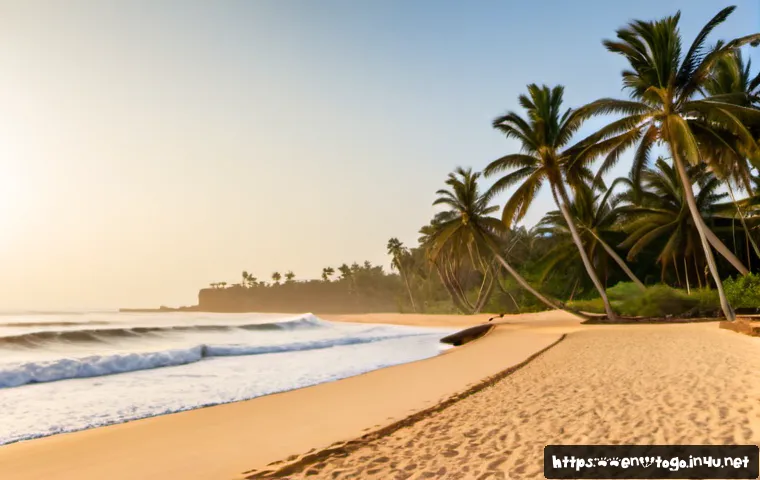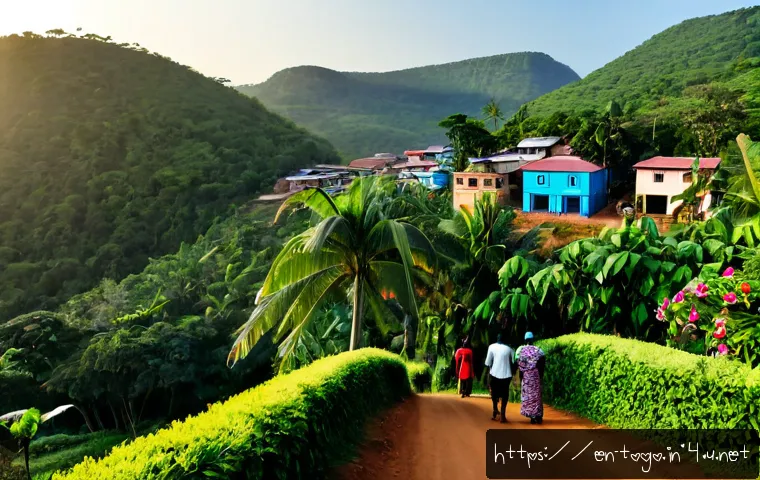
Togo has no official single “most beautiful village,” but Kpalimé, Togoville, Agbodrafo, and the northern Tamberma communities are strong choices for different travel styles.
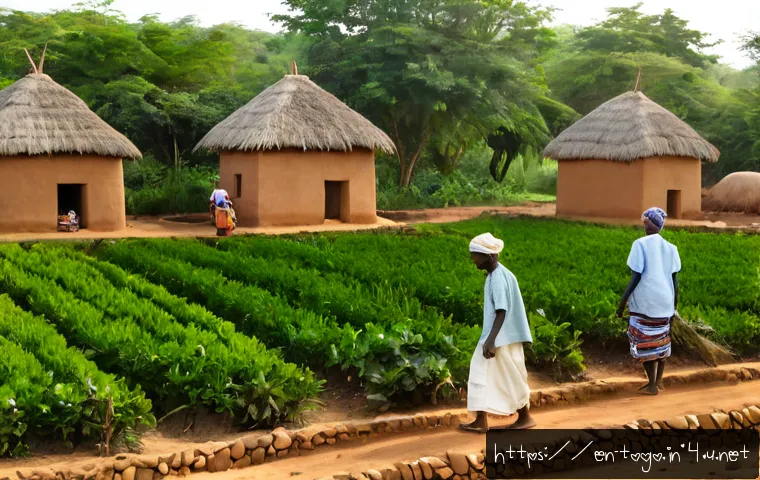
Choose Kpalimé for green hills, Togoville for Lake Togo heritage, Agbodrafo for a coastal-history setting, and the north for earthen architecture and the UNESCO-listed Koutammakou landscape.
The best option depends on whether scenery, photography, cultural context, or a longer route matters most to you. A local guide, private driver, or organized cultural tour can be useful where transport connections, permissions, or interpretation are important.
Before booking, compare what is included, ask about local access rules, and confirm current travel conditions.
At a Glance
- Mountain scenery: Choose the Kpalimé and Kloto area for forested hills and outdoor excursions near Mount Agou.
- Lake and coastal heritage: Consider Togoville or Agbodrafo for Lake Togo, religious and historical context, and a slower cultural visit.
- Architecture and cultural landscape: Travel north for Tamberma communities and the UNESCO World Heritage cultural landscape of Koutammakou.
| Destination | Best For | Typical Trip Format | Transport Complexity | Does a Guide Add Value? |
|---|---|---|---|---|
| Kpalimé and Kloto area | Green hills, nature, outdoor scenery | Day trip or overnight base | Compare local transport with a hired driver for nearby attractions | Useful for planning excursions and understanding local routes |
| Togoville | Lake views, history, spiritual heritage | Day visit or combined Lake Togo outing | Confirm current connections and local access arrangements | Helpful for historical context and sacred-site etiquette |
| Agbodrafo | Coastal atmosphere and regional history | Day trip or short coastal stop | Compare transport options from Lomé before leaving | Helpful when visiting history-focused sites respectfully |
| Northern Tamberma communities | Earthen architecture and cultural landscapes | Longer cross-country itinerary | More planning is likely needed for a northern route | Often valuable for community context, permissions, and navigation |
The Best Scenic Village-Style Destinations in Togo at a Glance
Togo’s memorable small destinations are not identical in character. The south offers Lake Togo, coastal communities, and green upland scenery, while the north offers a major cultural landscape associated with distinctive earthen architecture. There is no verified nationwide ranking for one officially “most beautiful” village, so it is more useful to choose by the kind of experience you want.
Best for Green Mountain Scenery: the Kpalimé and Kloto Area
Kpalimé is in southwestern Togo, close to forested hills and natural attractions around Mount Agou and the Kloto area. It is a sensible choice for travelers who want greenery, mountain scenery, and an outdoor-focused stop without making the entire trip a northern expedition.
Use Kpalimé as a base if you prefer to compare an overnight lodge with a day excursion plan. A local driver or guide may be worth considering when you want to combine several natural attractions, avoid uncertainty around local routes, or get practical help with timing. Confirm road conditions and availability locally, as they can vary by season.
Best for Lakeside History and Spiritual Heritage: Togoville
Togoville sits on the northern shore of Lake Togo and is known for its historical and religious significance. It suits travelers who value a quieter lakeside setting and want a visit with cultural depth rather than a purely scenic photo stop.
Because religious and sacred places can have local rules, ask before entering, photographing, or joining any activity. A local guide can add useful context here, especially if your interest is heritage rather than simply reaching the destination. Confirm visitor access and transport arrangements before your visit.
Best for Coastal Atmosphere and History: Agbodrafo
Agbodrafo is a coastal community east of Lomé, near Lake Togo and sites connected with the region’s colonial and slave-trade history. It can fit well into a short itinerary for travelers seeking a coastal atmosphere alongside serious historical context.
This is not a place to treat as a quick backdrop for photographs. If you visit history-connected sites, allow time to understand the setting and follow guidance at the location. Compare a self-arranged trip, a hired driver, and a history-focused guided tour based on how much interpretation and scheduling support you want.
Best for Architecture and Cultural Landscapes: Northern Tamberma Communities
Northern Tamberma communities are associated with distinctive earthen architecture and the Koutammakou cultural landscape. Koutammakou is recognized as a UNESCO World Heritage cultural landscape, making this area a standout choice for travelers interested in living cultural landscapes rather than only conventional sightseeing.
A northern route generally calls for more careful planning than a short outing near Lomé. A local guide may be especially valuable for respectful communication, access questions, and cultural context. Do not assume that homes, ceremonies, or community spaces are open to visitors; ask and accept a refusal gracefully.
Compare Togo’s Most Memorable Small Destinations Before You Go
The right destination depends on the balance you want between scenery, culture, route simplicity, and overnight comfort. Kpalimé leans toward lush upland scenery, Togoville toward lake heritage, Agbodrafo toward coastal history, and northern communities toward architecture and a longer cultural journey.
Scenery, Culture, Accessibility, and Overnight Comfort
For visual landscape, Kpalimé and the Kloto area are the clearest match for forested hills. For cultural interpretation, Togoville, Agbodrafo, and Koutammakou reward visitors who slow down and listen. For overnight planning, ask each lodge or accommodation provider directly about current availability, language support, transport coordination, and what is actually included.
Do not judge accessibility by a map alone. Road conditions, public transport schedules, and local availability can change. A private driver may offer more flexibility, while public transport may suit travelers comfortable confirming connections locally.
When a Day Trip Is Enough and When an Overnight Stay Adds Value
A day trip can work when your goal is a focused visit and your transport is clearly arranged. An overnight stay can add value when you want a less rushed schedule, early or late light for photography, or time to combine nearby attractions.
For Kpalimé, an overnight base may help if you want outdoor excursions beyond the town itself. Togoville and Agbodrafo can suit shorter visits when connections are practical. Northern Tamberma areas are better considered as part of a longer route because the experience is tied to a broader cultural landscape.
Budget Questions to Ask in West African CFA Francs (XOF)
Togo uses the West African CFA franc (XOF). Rather than relying on an old online quote, ask for the current amount in XOF and clarify whether it covers transport, fuel, guide services, entry arrangements, meals, or accommodation.
Useful questions include: Is the driver available for the full itinerary? Is guide service included or separate? Are local permissions or site-related costs included? What happens if the schedule changes? Clear answers make it easier to compare a local guide, hired car, and organized multi-day cultural tour fairly.
Planning Transport, Guides, and Accommodation Without Common Mistakes
Good planning is less about finding a “perfect” package and more about matching the service to the route. Check current official travel advice before departure, then confirm local guidance once you are in Togo. Safety conditions should not be assumed, especially when traveling outside major urban areas.
Choosing Between Public Transport, a Hired Driver, and a Guided Tour
Public transport may suit independent travelers who can adapt to changing schedules and ask for local assistance. A hired driver can be practical when you want more control over stops, luggage, and timing. A guided tour can be useful when the destination involves historical interpretation, cultural protocols, or several locations in one day.
For a cultural landscape such as Koutammakou, prioritize respectful access and informed explanation over speed. For Kpalimé, compare whether a driver or local guide better fits the outdoor excursions you want to make.
Confirming What Is Included Before Accepting a Quote
Ask for a simple written or clearly repeated breakdown before you agree to a transport or guide quote. Confirm the meeting point, destination list, waiting time, fuel, guide language, accommodation arrangement, and any costs not included.
If you are comparing tours or drivers, use the same questions for each option. The lowest initial price is not always the clearest value if the itinerary, vehicle use, or guide service is undefined. Official details and current conditions should be checked directly with the provider.
Photography Etiquette, Local Permissions, and Respectful Visits
Photography should never be assumed, especially around sacred sites, homes, ceremonies, and protected landscapes. Ask permission before taking portraits, photographing architecture connected to private life, or recording religious activity.
A guide can help explain local expectations, but permission still matters. If someone says no, put the camera away without debate. This approach is not only respectful; it also leads to better, more meaningful cultural travel.
Which Destination Suits Your Travel Style?

Choose your route by the experience you want to remember, not by a generic beauty label. Togo’s small destinations offer different forms of value, from green scenery to lakeside heritage and northern cultural landscapes.
For Hikers, Nature Lovers, and Waterfall-Focused Itineraries
Kpalimé and the Kloto area are the strongest starting point for travelers seeking forested hills and natural attractions around Mount Agou. If waterfalls are part of your plan, confirm current local access, route conditions, and whether a guide is advisable before setting out.
An overnight stay can make an outdoor itinerary feel less rushed. Ask a lodge or local transport provider which excursions are practical during your travel period instead of assuming all routes will be equally available.
For Heritage Travelers and Cultural Photography
Togoville, Agbodrafo, and the northern Tamberma communities suit travelers who want historical, religious, or architectural context. The key difference is scale: Togoville and Agbodrafo fit southern routes, while Koutammakou belongs on a more extended northern itinerary.
For cultural photography, prioritize consent, local guidance, and time. A guide can be especially useful when you need help understanding what may be photographed and how to approach a community visit respectfully.
For Short Stays from Lomé Versus Longer Cross-Country Routes
For a shorter southern itinerary, compare Kpalimé, Togoville, and Agbodrafo based on the theme you prefer: upland greenery, lake heritage, or coastal history. Transport schedules and road conditions should be verified locally before you commit to a same-day return.
For a longer route, northern Tamberma communities offer a different kind of experience centered on architecture and the Koutammakou cultural landscape. Give this route more planning time, particularly if you want a local guide and an overnight arrangement.
Practical Travel Checklist for Rural and Small-Town Togo
Small-town travel is easier when you plan the essentials but remain flexible. Carrying the right information matters more than trying to fix every detail in advance.
Cash, Connectivity, Weather, Language, and Timing
Carry access to cash in XOF, since payment options can differ by location. Confirm connectivity expectations with your accommodation rather than assuming consistent service. Consider language support when booking a driver, guide, or lodge, particularly if you need detailed cultural interpretation.
Weather, road conditions, transport schedules, and lodging availability can change by season and location. Build some flexibility into your plan, and avoid scheduling sensitive connections too tightly around a rural excursion.
What to Verify With a Lodge, Driver, or Local Guide
Before confirming, verify the destination, pickup plan, current price in XOF, language support, included services, cancellation terms if any, and whether local permissions need to be arranged. Ask a lodge whether it can assist with transport coordination, but do not assume this service is available.
For community visits, ask whether photography is allowed, whether a guide is expected, and whether there are visitor rules for sacred spaces or private homes. These questions protect both your itinerary and the dignity of the people hosting you.
Choosing the Right Togo Village Experience: Comparison Summary
Choose Kpalimé for Accessible Greenery and Outdoor Excursions
Choose Kpalimé when forested hills, natural attractions, and a flexible outdoor base are your priorities. Compare public transport, a hired driver, and local guiding according to how many excursions you want to fit into the visit.
Choose Togoville or Agbodrafo for Lake and Coastal Heritage
Choose Togoville for Lake Togo, historical significance, and spiritual heritage. Choose Agbodrafo for a coastal community setting and sites connected with regional colonial and slave-trade history. In both places, respectful interpretation matters more than rushing through a checklist.
Choose Northern Communities for Architecture, Culture, and a Longer Itinerary
Choose northern Tamberma communities when distinctive earthen architecture and the UNESCO-recognized Koutammakou cultural landscape are central to your trip. Plan more carefully, allow more time, and consider a local guide for context and permission-related questions.
Selection Criteria and Comparison Summary
Before making a final choice, compare travel style, route length, transport flexibility, need for cultural interpretation, and overnight comfort. Kpalimé suits green scenery and outdoor excursions; Togoville and Agbodrafo fit lake or coastal heritage; northern communities reward a longer cultural itinerary. Ask each driver, guide, lodge, or tour provider for current inclusions and pricing in XOF, then compare like for like. For official guidance and detailed booking conditions, check the relevant provider or tourism information page directly.
In Closing
The most beautiful place in Togo is not one fixed answer. Kpalimé offers a green upland setting, Togoville brings Lake Togo heritage, Agbodrafo combines coast and history, and Koutammakou offers a major cultural landscape in the north. The best trip is one that leaves enough time for local conditions, respectful visits, and clear transport arrangements. Confirm current advice and local access rules before you travel.
Useful Things to Know
1. Togo’s currency is the West African CFA franc (XOF).
2. Koutammakou is a UNESCO World Heritage cultural landscape.
3. Ask before photographing people, homes, sacred spaces, or ceremonies.
4. Road conditions, guide pricing, transport schedules, and lodging availability can change.
Important Notes
This guide does not rank one location as Togo’s officially most beautiful village because no verified nationwide ranking identifies one. Visitor access to sacred sites, homes, ceremonies, and protected landscapes must be confirmed locally. Current safety information, official travel advice, transport arrangements, and accommodation availability should be checked before departure.
Frequently Asked Questions
Q1. What is the most beautiful village or small town to visit in Togo?
A1. There is no verified official answer. Kpalimé is a strong option for green hills and natural attractions, Togoville for Lake Togo heritage, Agbodrafo for coastal history, and northern Tamberma communities for earthen architecture and Koutammakou.
Q2. Is it worth hiring a local guide for villages and cultural sites in Togo?
A2. It can be worthwhile when you need cultural context, help with local routes, language support, or guidance on photography and sacred-site etiquette. It may be particularly useful in heritage-focused areas and northern cultural landscapes. Confirm the guide’s services and included costs before agreeing.
Q3. How much should travelers budget for transport, guides, and lodging outside Lomé?
A3. Costs can change by season, location, transport type, lodging availability, and what a guide or driver includes. Ask for current prices in XOF and clarify transport, fuel, guide service, accommodation, and any local access-related costs separately before comparing options.