Togo’s literary scene is a vibrant tapestry woven with rich cultural heritage and contemporary voices that echo the nation’s history and dreams. From traditional oral storytelling to modern poetry, Togolese writers and poets offer profound insights into identity, resilience, and social change.
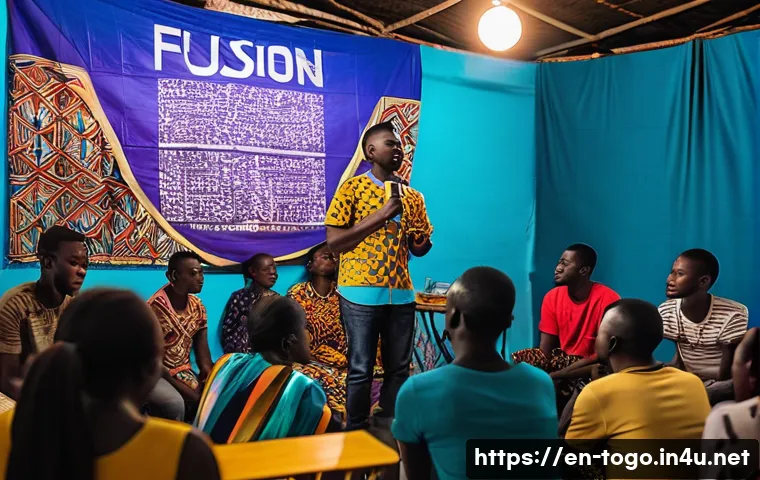
Exploring their work reveals not only the beauty of language but also the complexities of life in West Africa. Whether delving into evocative verses or compelling narratives, Togo’s literary talents continue to inspire and challenge readers worldwide.
Let’s dive deeper and uncover the fascinating world of Togolese literature and its poets!
Exploring the Roots of Togolese Storytelling Traditions
Oral Narratives: The Heartbeat of Cultural Memory
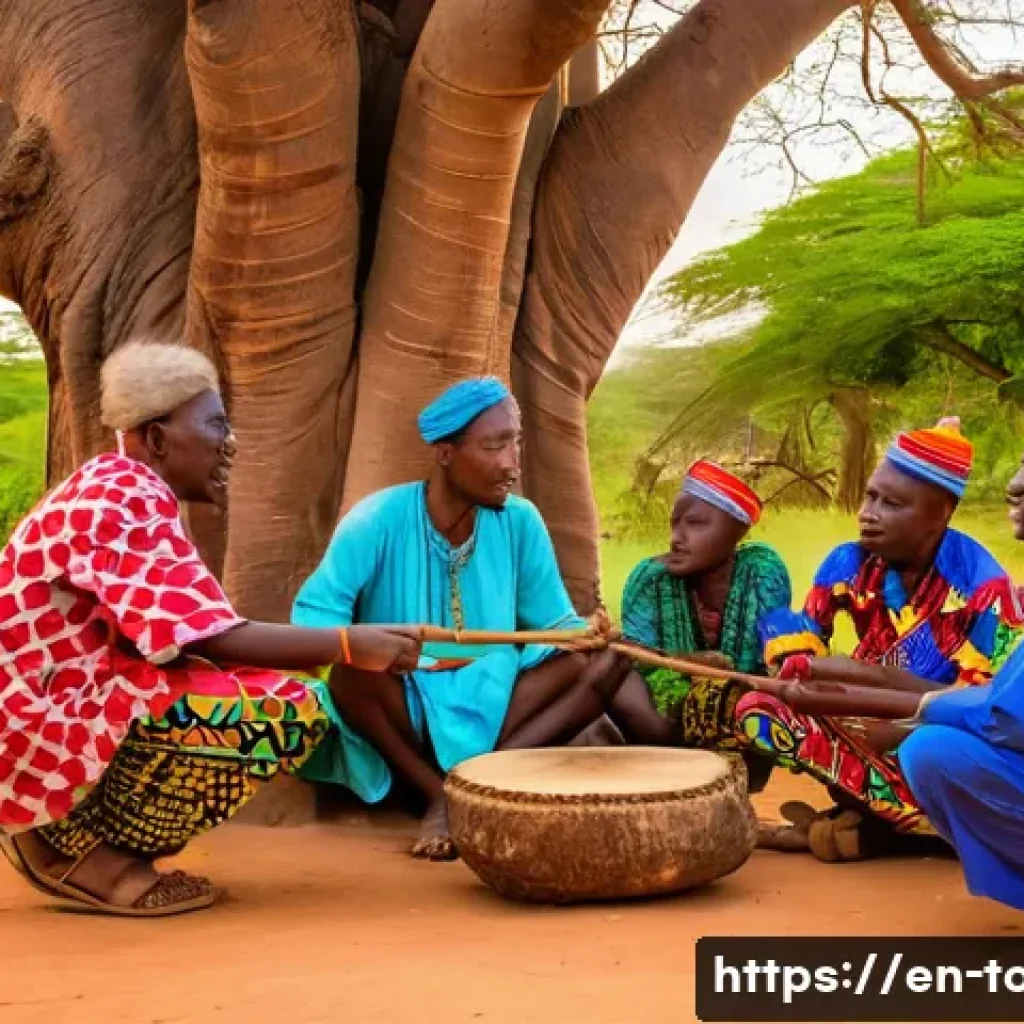
In Togo, storytelling has long been a communal art form, passed down through generations by griots and elders. These oral narratives are much more than mere entertainment; they serve as living archives of history, moral lessons, and social values.
When I first listened to a traditional tale shared under a baobab tree, I was struck by the intricate way stories intertwined with music, dance, and audience participation.
This dynamic exchange creates a shared cultural experience that keeps the past alive while shaping collective identity. The storytellers use metaphors and proverbs rich with local wisdom, inviting listeners to reflect on themes such as courage, justice, and community cohesion.
The Role of Folklore in Shaping Modern Togolese Identity
Folklore in Togo is a vibrant tapestry that not only preserves ancient beliefs but also adapts to contemporary realities. Today’s writers often draw inspiration from these traditional tales, reinterpreting them through modern lenses to address current social issues like migration, political change, and gender roles.
I’ve noticed how some poets skillfully weave folklore motifs into their verses, creating a bridge between ancestral knowledge and present-day challenges.
This fusion underscores the resilience of Togolese culture, showing how deeply rooted stories continue to influence the way people see themselves and their nation.
Preserving Oral Heritage in a Digital Age
With the rise of digital platforms, there’s a growing effort to document and share Togolese oral traditions online. This shift not only helps preserve fragile narratives but also introduces them to global audiences.
I found it fascinating how local organizations and young creatives collaborate to record elders’ stories, sometimes blending them with contemporary music and visuals to appeal to younger generations.
This blending of old and new raises questions about authenticity and adaptation but ultimately ensures that the spirit of storytelling thrives despite changing times.
The Evolution of Contemporary Togolese Poetry
Voices of Resistance and Hope
Contemporary poetry in Togo pulses with raw emotion and social critique. Many poets use their craft as a form of activism, confronting political corruption, social injustice, and economic hardship.
What stood out to me was how these poems don’t just lament; they offer hope and call for action, reflecting a deep commitment to transformation. The vivid imagery and rhythmic cadences pull readers into the lived realities of everyday Togolese citizens, making the abstract personal and urgent.
This poetic activism connects local struggles to universal themes, resonating with audiences beyond West Africa.
Language and Innovation in Modern Verse
Togolese poets experiment boldly with language, mixing French, Ewe, Kabiye, and other indigenous tongues. This linguistic interplay enriches their work, adding layers of meaning and musicality.
From my experience reading these poems, the code-switching feels like a natural expression of identity, capturing the complexity of a multilingual society.
Moreover, some poets integrate urban slang and digital jargon, reflecting life in a rapidly modernizing country. This linguistic creativity not only challenges traditional poetic forms but also invites diverse audiences to engage with Togolese literature.
Poetry as a Tool for Healing and Memory
Beyond social critique, poetry in Togo serves as a medium for personal and collective healing. Many poets address themes of trauma, displacement, and memory, providing a voice to those who have experienced conflict or loss.
I recall one poem that poignantly described the pain of exile and the longing for home; it moved me deeply because of its honesty and vulnerability. Through such works, poetry becomes a sanctuary for expression and reconciliation, fostering empathy and understanding both within Togo and abroad.
Key Figures Shaping Togolese Literary Landscape
Trailblazing Novelists and Their Impact
Several Togolese novelists have gained recognition for their compelling storytelling and insightful exploration of societal themes. Their novels often portray the tensions between tradition and modernity, rural and urban life, or individual aspirations versus communal expectations.
From what I’ve read, these authors provide nuanced portraits of Togolese society, capturing its contradictions and beauties alike. Their narratives invite readers into intimate worlds that reflect broader national and regional dynamics, enriching the global literary conversation.
Poets Who Have Left an Indelible Mark
Poetry in Togo boasts luminaries who have shaped its voice over decades. Their works often serve as cultural touchstones, inspiring new generations of writers.
I found it inspiring how these poets blend personal experience with political awareness, crafting verses that resonate on multiple levels. Their influence extends beyond literature into education, activism, and cultural preservation, underscoring poetry’s vital role in Togolese society.
Emerging Voices and the Future of Togolese Literature
The literary scene in Togo is dynamic, with many young writers and poets emerging on the scene. These fresh voices bring innovative perspectives and diverse styles, often engaging with global themes while rooted in local realities.
I’ve noticed how social media and literary festivals play a crucial role in amplifying their work, connecting them with broader audiences and opportunities.
This vibrant new generation promises to keep Togolese literature evolving and relevant in the years ahead.
How Togolese Literature Reflects Social Change
Addressing Gender and Identity through Narrative
A significant theme in Togolese literature today is the exploration of gender roles and identities. Writers and poets are increasingly challenging traditional norms and advocating for greater equality and representation.
From personal stories to broader social critiques, these works highlight the complexities of navigating identity in a society balancing modern influences with entrenched customs.
Reading these narratives gave me a deeper appreciation for the courage and creativity of Togolese authors who tackle such sensitive topics head-on.
Literature as a Mirror of Political Shifts
Togolese literature often serves as a barometer for the country’s political climate. During times of unrest or transition, writers have used their platforms to voice dissent, document events, and imagine alternative futures.
I was particularly moved by poems and essays written during election periods or protests, which capture the hopes and frustrations of the populace. This literary engagement underscores the power of words to inspire change and foster dialogue in challenging contexts.
Urbanization and Its Literary Imprint
The rapid urban growth in Togo’s cities has influenced literary themes and settings profoundly. Contemporary works frequently depict the tensions and opportunities of urban life, including migration, economic disparity, and cultural blending.
Through vivid storytelling, authors explore how urban spaces shape identity and social relations. This focus offers readers a window into the evolving realities of Togolese society, highlighting both challenges and resilience amid change.
Mapping the Diversity of Togolese Literary Genres
Prose: From Novels to Short Stories
Togolese prose encompasses a rich variety of forms, from sprawling novels that tackle complex social issues to concise short stories that capture moments of everyday life.
I found that the short story format, in particular, allows writers to experiment with style and voice, offering snapshots that are both intimate and revealing.
These narratives often blend realism with elements of folklore or magical realism, creating a uniquely Togolese literary flavor.
Poetry: A Spectrum of Styles and Themes
The poetic landscape in Togo is impressively diverse, ranging from traditional forms rooted in oral culture to avant-garde experiments with free verse and visual poetry.
Poets navigate themes like love, loss, politics, and spirituality with striking originality. What surprised me was the extent to which poetry remains a communal experience, often performed aloud in gatherings that celebrate its musicality and emotional power.
Drama and Performance Literature
Drama holds a special place in Togolese literature, blending written scripts with rich performance traditions. Plays often address social issues directly, engaging audiences through humor, satire, or poignant storytelling.
I’ve attended performances that seamlessly incorporate dance and music, creating immersive experiences that resonate deeply. This fusion highlights how Togolese literature transcends the page, living vibrantly in the community.
Comparing Prominent Togolese Literary Figures
| Author/Poet | Primary Genre | Themes Explored | Notable Work | Impact |
|---|---|---|---|---|
| Félix Couchoro | Novels | Colonialism, Identity | “L’Esclave” | First Togolese novelist, pioneer of modern literature |
| David Ananou | Poetry, Essays | Tradition, Social Critique | “Poems of the Savannah” | Blended oral traditions with written poetry |
| Stanley M. Aka | Poetry | Urban Life, Politics | “Echoes of Lomé” | Voice of contemporary urban youth |
| Patricia Banda | Short Stories, Poetry | Gender, Migration | “Crossing Borders” | Highlighting women’s experiences and diaspora |
| Emmanuel Tchamba | Drama | Social Justice, Tradition | “The Drum Speaks” | Revitalized Togolese theater traditions |
The Role of Literary Festivals and Organizations in Togo
Fostering Community and Collaboration
Literary festivals in Togo have become vital hubs for writers, poets, and readers to connect and share their work. I had the chance to attend one such festival in Lomé, where the energy was palpable—panels, readings, and workshops created a space where diverse voices could flourish.
These gatherings not only celebrate existing talents but also nurture emerging ones, encouraging collaboration across genres and generations. The sense of community is inspiring, as it strengthens the literary ecosystem and amplifies Togolese cultural expression.
Promoting Literature Beyond Borders
Organizations dedicated to Togolese literature actively promote translation and international exposure. Through partnerships with global publishers and cultural institutions, they work to bring Togolese voices to wider audiences.
I was impressed by how these efforts have opened doors for writers to participate in international conferences and residencies, enriching both their craft and the global literary landscape.
This outward-looking approach helps position Togolese literature as a vital part of world culture.
Supporting Literacy and Education through Literature
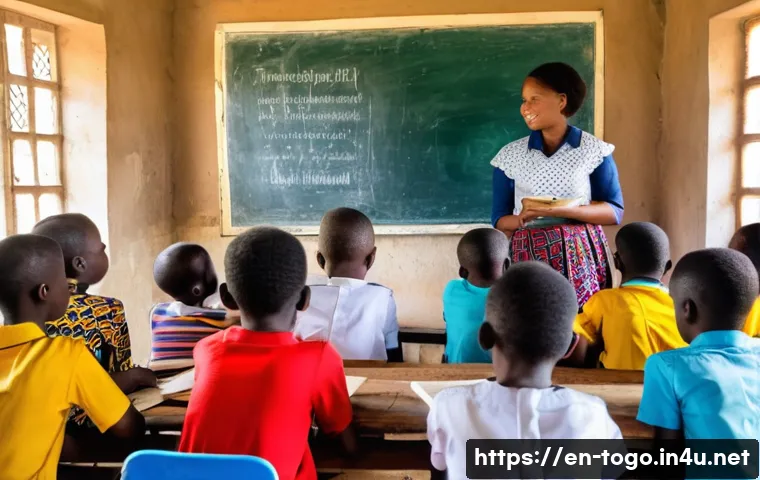
Beyond celebration, many literary initiatives in Togo focus on education and literacy. Programs aimed at schools and communities use literature as a tool to enhance reading skills and cultural awareness.
From my conversations with local educators, it’s clear that such efforts have profound impacts, fostering a love for reading and critical thinking among youth.
By linking literature with education, these programs contribute to social development and empower future generations to tell their own stories.
Concluding Thoughts
Exploring Togolese literature reveals a vibrant tapestry woven from rich oral traditions, dynamic contemporary voices, and a deep connection to social change. These stories and poems not only preserve cultural heritage but also inspire dialogue and transformation. Understanding this literary landscape offers valuable insight into the resilience and creativity that define Togo today.
Useful Information to Keep in Mind
1. Togolese storytelling is deeply rooted in oral traditions that combine music, dance, and audience participation to preserve history and cultural values.
2. Modern Togolese writers often blend folklore with current social issues, making literature a living, evolving reflection of society.
3. Digital platforms are playing a crucial role in preserving and sharing Togolese oral heritage with wider, global audiences.
4. Contemporary poetry serves not only as artistic expression but also as a powerful tool for activism, healing, and community building.
5. Literary festivals and organizations in Togo foster collaboration, international exposure, and literacy, strengthening the country’s cultural ecosystem.
Key Takeaways
Togolese literature thrives at the intersection of tradition and innovation, with storytelling and poetry acting as pillars of cultural identity and social commentary. The engagement of both established and emerging voices ensures its continued relevance and growth. Support from festivals and organizations amplifies these voices, creating opportunities for education, global recognition, and cultural exchange that benefit both local communities and the international literary scene.
Frequently Asked Questions (FAQ) 📖
Q: What are the main themes explored in Togolese literature and poetry?
A: Togolese literature and poetry often delve into themes like identity, resilience, and social change. Writers and poets reflect on the nation’s rich cultural heritage while addressing contemporary issues such as colonial history, political struggles, and the quest for self-expression.
Through their work, they explore personal and collective experiences, weaving stories that capture both the beauty and complexity of life in Togo and West Africa as a whole.
Q: How does traditional oral storytelling influence modern Togolese literary works?
A: Traditional oral storytelling remains a powerful influence on modern Togolese literature. Many contemporary writers incorporate oral narrative techniques—like rhythmic language, proverbs, and communal storytelling styles—into their poetry and prose.
This blend preserves cultural memory and connects past generations with the present, making the stories more vivid and emotionally resonant. Experiencing Togolese literature often feels like sitting around a fire, listening to stories passed down through time but told with a fresh, modern voice.
Q: Who are some notable Togolese authors or poets to start with for someone new to this literature?
A: If you’re new to Togolese literature, starting with writers like Kossi Efoui, who blends experimental storytelling with political themes, or David Ananou, known for his poetic reflections on identity and culture, can be very rewarding.
Their works offer accessible yet profound insights into Togolese life and history. Reading their books or poems gives you a firsthand glimpse into the evolving literary scene of Togo, revealing voices that are both deeply personal and universally relevant.