Togo, a vibrant West African nation, often brings to mind stunning landscapes and rich cultural heritage. But when I delve into the daily lives of its women, a more nuanced picture emerges—one of remarkable resilience alongside persistent challenges.
It’s a topic I’ve found myself reflecting on a lot lately, watching as the global conversation around gender equality shines a spotlight on places like Togo.
On one hand, there’s genuine progress; new legal frameworks are being put in place, and we’re seeing more women stepping into leadership roles and carving out successful entrepreneurial paths, particularly with exciting new tech initiatives.
It truly feels like a wave of positive change is building. However, beneath these visible advancements, many women still navigate a complex landscape shaped by deep-seated cultural norms and economic disparities.
They continue to push for greater access to education, financial independence, and genuine safety within their communities. It’s a constant dance between tradition and transformation, where the fight for equal opportunities and an end to gender-based violence remains incredibly real.
I believe understanding these interwoven struggles and triumphs is crucial for anyone interested in global women’s rights. Let’s explore this vital journey more deeply together.
The Unstoppable Spirit of Togo’s Market Women
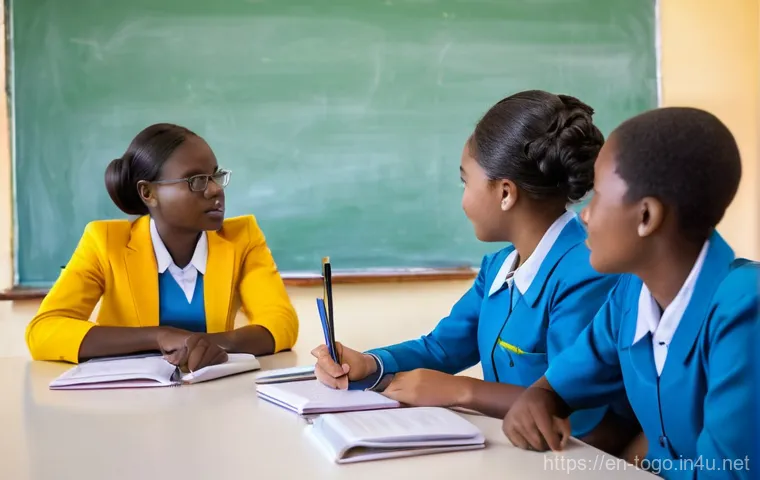
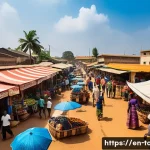
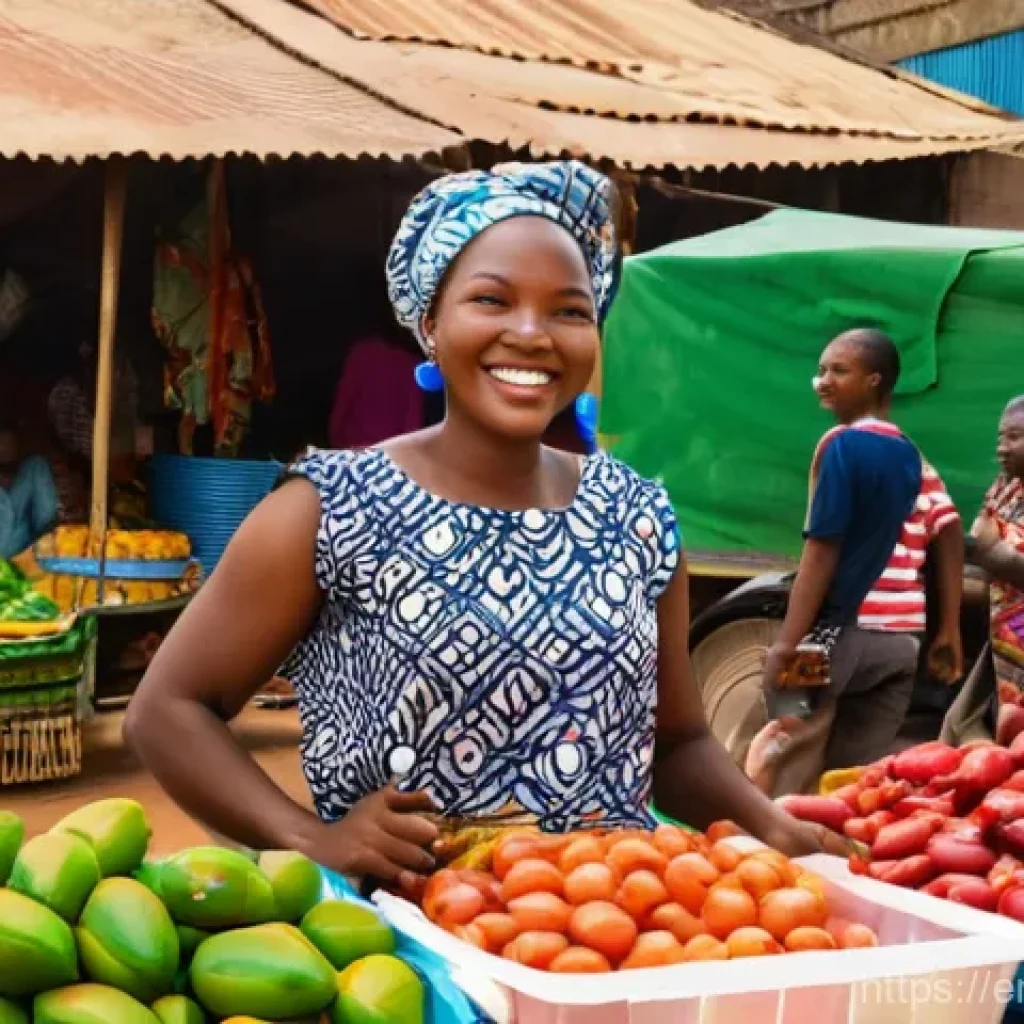
Stepping into a bustling market in Lomé, you can’t help but be struck by the sheer force of nature that is the Togolese market woman. It’s not just a place to buy goods; it’s the beating heart of the community, and these women are its lifeblood. From dawn till dusk, they’re strategizing, negotiating, and building small empires, often with children strapped to their backs. My first time witnessing this vibrant energy, I was absolutely captivated. I saw women who had turned simple stalls selling fresh produce or vibrant fabrics into generational businesses, supporting their entire families and often extending a helping hand to others in their communities. It’s a testament to their incredible entrepreneurial spirit and resilience, a true powerhouse of economic activity that often goes unsung in global narratives. They navigate complex supply chains, manage finances with astonishing acumen, and adapt to changing market demands with a savvy that would impress any business school graduate. It’s not just about making a living; it’s about sustaining a way of life, preserving cultural traditions, and creating a future for their children. Their collective efforts significantly contribute to the national economy, highlighting a bottom-up approach to development where women are the primary drivers. Watching them, I always feel a profound sense of admiration for their tenacity and unwavering determination.
Driving Local Economies Through Ingenuity
I’ve always been fascinated by how these women manage to thrive in what are often incredibly challenging conditions. They are, in essence, the original micro-entrepreneurs, long before the term became a global development buzzword. Many start with very little capital, perhaps a small loan from a family member or a savings group, and meticulously grow their businesses through sheer hard work and an innate understanding of their customers’ needs. Their networks are incredibly strong; they rely on each other for support, advice, and even collective bargaining power. This isn’t just about individual success; it’s about a communal uplift. They’re not just selling; they’re building relationships, fostering trust, and creating a vibrant economic ecosystem that supports countless families. It’s a dynamic interplay of individual ambition and collective responsibility that truly makes the Togolese market experience unique and so incredibly powerful. The resilience shown by these women, often against significant odds, really highlights their pivotal role in Togo’s economic fabric. Their ability to innovate, adapt, and create opportunities out of scarcity is truly inspiring, reflecting a deep-seated commitment to their families and communities.
Balancing Business and Family Life
One of the most striking aspects, for me, is the incredible juggling act these women perform daily. They are not just business owners; they are mothers, wives, and caregivers, often responsible for the vast majority of household duties. I’ve personally seen them breastfeed infants while expertly haggling over prices, or help older children with homework during lulls in sales. It’s a relentless pace, demanding immense physical and mental stamina. The concept of “work-life balance” takes on an entirely new meaning when you see it in action here. There are moments of sheer exhaustion, no doubt, but also immense pride in providing for their families. Their children often grow up learning the trade right alongside them, absorbing invaluable entrepreneurial skills from a very young age. This intergenerational transfer of knowledge is crucial, ensuring that the vibrant spirit of the market continues. It’s a powerful testament to their unwavering dedication and the deep-seated cultural values that place family at the heart of everything they do. This intricate balance is not just a personal struggle but a societal expectation that these women navigate with remarkable grace and strength.
Breaking Barriers: Women in Education and Leadership
When we talk about progress for women in Togo, the strides being made in education and leadership are genuinely exciting, even if the journey is still far from over. I’ve had conversations with young Togolese women who are absolutely buzzing with ambition, determined to be the first in their families to attend university, or to pursue careers in fields traditionally dominated by men. There’s a palpable shift in mindset, a growing recognition within communities that educating girls isn’t just good for them, but for everyone. While there are still hurdles, like early marriage or financial constraints, the momentum towards greater educational access is undeniable. Seeing more girls in classrooms, especially in rural areas, fills me with so much hope. These young women are not just learning; they’re becoming agents of change, ready to challenge norms and build a more equitable future. Their aspirations are incredibly diverse, ranging from becoming doctors and engineers to entrepreneurs and policymakers, each one eager to contribute meaningfully to their nation’s development. This generation is clearly pushing the boundaries of what’s possible, proving that with opportunity, there are no limits to their potential and impact on society.
Empowering the Next Generation of Leaders
The rise of women in leadership roles, from local community initiatives to national politics, is a narrative that truly resonates with me. It wasn’t that long ago that such positions were almost exclusively held by men. Now, you see women advocating for their communities, running successful businesses, and taking up parliamentary seats with increasing frequency. While the numbers might still be small compared to their male counterparts, each woman who steps into a leadership role paves the way for countless others. I remember speaking to a young woman who had just been elected to her local council, and her enthusiasm was infectious. She spoke about wanting to improve sanitation and create better opportunities for youth, particularly girls. Her story, and many others like it, are powerful examples of how increased education is directly translating into greater civic engagement and a demand for more inclusive governance. These women are bringing fresh perspectives and a deep understanding of community needs to the table, demonstrating that diverse leadership leads to better outcomes for everyone. Their journey is a powerful inspiration for young girls across Togo, showing them that their voices matter and can bring about significant change.
Challenges on the Path to Equality in Education
Despite the encouraging progress, we can’t overlook the persistent challenges. Access to quality education, particularly for girls in remote or rural areas, remains a significant concern. Financial barriers, cultural expectations that prioritize boys’ education, and the ongoing issue of early marriage or pregnancy still prevent many girls from completing their schooling. It breaks my heart to hear stories of bright young women whose academic journeys are cut short due to circumstances beyond their control. While government initiatives and NGOs are working hard to address these issues, the scale of the problem is immense. Infrastructure limitations, a shortage of qualified teachers, and the need for more culturally sensitive curricula are also factors that need continuous attention. I’ve seen firsthand how committed local educators are, but they often lack the resources to truly make a difference for every child. Overcoming these entrenched obstacles requires a sustained, multifaceted approach that involves policy changes, community engagement, and significant investment in educational resources. The path to true educational equality is long, but with continued effort and passion, I truly believe it’s achievable.
Navigating Health and Well-being: A Woman’s Perspective
When I reflect on women’s lives in Togo, health and well-being are paramount, yet often fraught with systemic hurdles. For many women, especially in rural areas, accessing even basic healthcare can be a monumental task. I’ve witnessed the incredible resilience of women who travel vast distances on foot, sometimes with sick children, just to reach a health clinic. Maternal health, in particular, is an area where progress is vital. While there have been improvements in recent years regarding safe delivery and antenatal care, the reality on the ground often means facing shortages of trained medical staff, essential medicines, and fully equipped facilities. It’s not just about the physical journey; it’s also about overcoming cultural beliefs and sometimes, a lack of awareness about preventive care. I always feel a deep empathy for mothers trying to navigate these challenges, striving to keep their families healthy against considerable odds. The ongoing efforts to educate women about their reproductive health rights and to provide accessible family planning services are crucial steps forward, but there’s still so much work to be done to ensure every woman has the opportunity for a healthy life. The challenges are not just medical but also social and economic, creating a complex web that affects women’s overall well-being.
Maternal Care and Family Planning Initiatives
My conversations with healthcare workers in Togo have shed light on both the immense dedication within the system and the significant gaps that still exist. Initiatives to improve maternal and child health are often championed by passionate individuals and organizations, but they face an uphill battle. Providing comprehensive antenatal and postnatal care, ensuring skilled birth attendants are available for every delivery, and making family planning services widely accessible are critical. I’ve heard inspiring stories of mobile clinics reaching remote villages, offering vaccinations and health check-ups, which are true lifelines for many. However, the consistent funding and sustained political will required to scale these programs are constant challenges. Educating women about the importance of spacing births and the availability of modern contraceptives is also key, as cultural norms sometimes play a role in resistance. When I think about the potential impact of empowering women with full control over their reproductive choices, it feels like a fundamental step towards broader gender equality and overall community health. It’s a continuous learning process for everyone involved, pushing for better health outcomes for both mothers and their children.
Addressing Gender-Based Violence and Support Systems
A more somber, but critically important, aspect of women’s well-being is the persistent issue of gender-based violence (GBV). It’s a global problem, and Togo is no exception. While discussions around it are becoming more open, the cultural stigma and lack of accessible reporting mechanisms still make it incredibly difficult for many women to speak out and seek justice. I’ve heard heart-wrenching stories, but also incredibly brave ones of survivors finding their voice and working to support others. Organizations on the ground are tirelessly working to provide safe shelters, legal aid, and counseling services, but they are often stretched thin. The legal frameworks are improving, which is a positive sign, but enforcement and community awareness are key. It’s a battle against deep-seated societal norms, and it requires a multi-pronged approach involving education, community leaders, and robust legal systems. My hope is that with continued advocacy and support, more women will feel empowered to report abuse and access the help they so desperately need, fostering a society where safety and respect are fundamental rights for all. This really hits home for me; ensuring every woman feels safe and valued is the absolute bedrock of true equality.
The Evolving Landscape of Women’s Rights and Advocacy
When you look at the broader picture of women’s rights in Togo, it’s a story of constant evolution and tireless advocacy. It’s not a static issue; it’s a dynamic movement shaped by dedicated individuals and organizations pushing for change. I’ve seen a growing awareness, particularly among younger generations, about what true gender equality looks like and why it matters. There’s a tangible shift from merely discussing problems to actively seeking solutions, often with women themselves leading the charge. This advocacy manifests in various forms, from grassroots campaigns challenging discriminatory practices to national dialogues influencing policy. It’s truly inspiring to witness the courage and determination of those who refuse to accept the status quo, who are continuously fighting for a more just and equitable society. While progress can sometimes feel slow, each legal reform, each successful awareness campaign, and each woman who finds her voice contributes to a powerful wave of change that is slowly but surely transforming the fabric of Togolese society. The conversations are becoming more sophisticated, moving beyond basic rights to nuanced discussions about economic independence, political representation, and freedom from violence.
Legal Reforms and Policy Changes
I’ve kept a close eye on the legal landscape in Togo, and it’s encouraging to see legislative bodies taking steps to strengthen women’s rights. Laws addressing issues like marriage age, inheritance, and protection against gender-based violence are being reviewed and updated. These legal reforms, while not always perfectly implemented, provide a crucial framework for upholding women’s dignity and equality. For example, increased penalties for certain forms of abuse or clearer stipulations on property rights can have a profound impact, even if only gradually. However, enacting laws is one thing; ensuring their enforcement and widespread awareness is another. I’ve often thought about how critical it is to educate both women and men about their rights and responsibilities under these new legal frameworks. Without this understanding, even the best laws can remain ineffective. It’s a continuous process of legislation, education, and vigilance, requiring collaboration between government, civil society, and communities. My personal experience tells me that these legal changes, though sometimes slow to take effect, are absolutely foundational to creating a society where women can truly thrive without legal barriers holding them back.
Grassroots Movements and Community Empowerment
Perhaps some of the most powerful changes I’ve witnessed are at the grassroots level. Community-led initiatives, often driven by women themselves, are instrumental in fostering real change from within. These groups tackle issues ranging from promoting girls’ education to combating harmful traditional practices, usually through dialogue and education rather than confrontation. I’ve seen women organize savings groups that provide vital micro-loans, enabling members to start small businesses and gain financial independence. Others focus on health education, dispelling myths and promoting best practices in maternal and child care. The power of women coming together, sharing their experiences, and collectively working towards solutions cannot be overstated. These informal networks create a sense of solidarity and empowerment that resonates far beyond their immediate circles. They are the unsung heroes of social change, demonstrating that even small, localized efforts can collectively build a formidable movement for progress. It’s these organic, community-driven efforts that truly make a difference, fostering resilience and creating tangible improvements in the daily lives of countless women. This collective spirit is what makes the journey towards equality so inspiring.
Embracing the Digital Age: Opportunities for Togolese Women
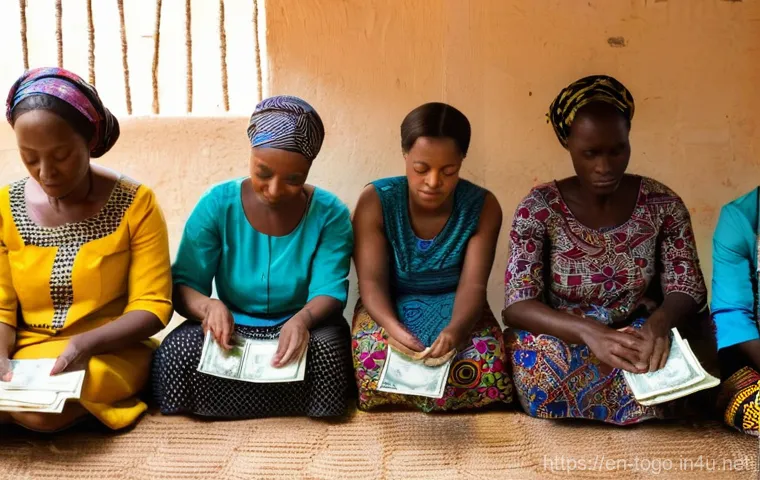
It’s incredibly exciting to see how technology is opening up new avenues for women in Togo, offering opportunities that were unimaginable just a decade ago. The digital age isn’t just a global phenomenon; it’s a tangible force for change right here. I’ve been fascinated by the increasing number of initiatives aimed at getting more women and girls involved in tech, from coding bootcamps to digital literacy programs. These programs aren’t just teaching skills; they’re unlocking potential and providing pathways to economic independence that bypass many traditional barriers. Imagine a young woman in a remote village, suddenly able to sell her crafts to a global audience online, or another using a smartphone app to access vital health information. This is the reality emerging in Togo, and it’s truly transformative. The potential for digital inclusion to leapfrog developmental stages and empower women financially and socially is immense. It’s a rapidly evolving landscape, and watching Togolese women embrace these new tools with such enthusiasm and ingenuity is a truly inspiring sight. The future feels incredibly bright as more women gain access to and master these essential digital skills, changing their lives and the trajectory of their communities.
Tech Literacy and Entrepreneurial Growth
The impact of tech literacy on women’s entrepreneurial growth is something I’ve personally observed with great optimism. When women gain digital skills, they’re not just learning to use a computer; they’re gaining access to a world of information, markets, and financial tools. I’ve heard stories of women using social media platforms to market their handmade goods, bypassing middlemen and significantly increasing their profits. Others are leveraging mobile banking apps to manage their finances more efficiently, allowing them to save and invest in their businesses. This shift democratizes access to economic opportunities in a way that traditional brick-and-mortar businesses often cannot. Initiatives that focus on digital skill-building for women are critical, providing them with the tools to compete in an increasingly digital global economy. It’s about more than just personal gain; it’s about creating role models and demonstrating that technology is a powerful equalizer. For me, seeing a woman confidently navigating a tablet or setting up an online store is a powerful symbol of progress and an indication of the incredible potential for future growth within Togo’s female population.
Bridging the Digital Divide
While the opportunities are vast, we can’t ignore the digital divide that still exists. Access to reliable internet, affordable devices, and consistent electricity remains a significant barrier for many women, particularly in rural and low-income communities. Bridging this gap is crucial if we want to ensure that the benefits of the digital age are truly equitable. I’ve seen some incredible efforts by NGOs and even private companies to provide low-cost internet access or refurbished devices to underserved populations. However, it’s an ongoing challenge that requires strategic investment and thoughtful policy. It’s not enough to simply offer technology; it’s about providing the training and support systems that enable women to confidently and effectively use these tools. For example, local community centers equipped with computers and trainers can be absolute game-changers. My hope is that as Togo continues to develop, closing this digital divide will become an even greater priority, ensuring that every woman, regardless of her location or economic status, has the chance to participate fully in the digital economy and reap its myriad benefits. This is an investment not just in technology, but in human potential.
Cultural Heritage and Modern Aspirations: A Balancing Act
It’s truly fascinating to see how Togolese women navigate the intricate dance between honoring their rich cultural heritage and embracing modern aspirations. This isn’t about choosing one over the other; it’s about finding a harmonious blend that respects tradition while pushing for progress. I’ve had some incredibly insightful conversations about this, realizing that culture isn’t a static entity but a living, breathing force that evolves with its people. Many traditional practices hold deep meaning and provide a strong sense of community and identity, something I deeply admire. At the same time, women are increasingly questioning and challenging aspects of tradition that might limit their opportunities or infringe on their rights. It’s a delicate balance, often requiring immense courage and thoughtful dialogue within families and communities. For me, it highlights the strength of Togolese women: their ability to hold onto what’s valuable from their past while also fearlessly forging new paths for their future. This continuous negotiation is a testament to their dynamic spirit, shaping a unique identity that is both rooted in history and forward-looking.
Preserving Traditions While Advocating for Change
One aspect that has particularly resonated with me is how women are actively involved in preserving cultural traditions while simultaneously advocating for necessary changes. For example, traditional weaving or pottery skills are often passed down through generations of women, serving as both an art form and a source of livelihood. They take immense pride in these crafts, ensuring their continuation. Yet, these same women might also be at the forefront of discussions about ending harmful practices like female genital mutilation or early forced marriages, which are sometimes erroneously linked to tradition. It’s about discerning which traditions genuinely enrich life and which ones need to be re-evaluated for the sake of human rights and dignity. This thoughtful, nuanced approach is incredibly powerful because it comes from within the community, making changes more sustainable and culturally sensitive. My observations have consistently shown that Togolese women are not abandoning their heritage but actively shaping it, ensuring that their culture remains vibrant and relevant in a rapidly changing world. They embody a deep respect for their ancestors while carving out a progressive future.
The Role of Community in Shaping Future Generations
The strength of community plays an absolutely vital role in this balancing act. In many Togolese societies, decisions are often made collectively, and community elders, both male and female, hold significant influence. This means that for meaningful change to occur, it often requires extensive community dialogue and consensus-building. I’ve seen women’s groups work tirelessly to engage elders, parents, and religious leaders in conversations about topics like girls’ education or reproductive health. They present their arguments not as a rejection of tradition, but as an enhancement of community well-being and future prosperity. This approach, rooted in respect and shared values, often yields more sustainable results than external interventions alone. It’s about fostering a collective vision where everyone understands the benefits of empowering women. The intergenerational wisdom, coupled with the fresh perspectives of younger women, creates a dynamic environment for growth. This communal aspect is something I deeply admire, as it illustrates how positive change can be nurtured and supported through strong social bonds. It’s a powerful reminder that true progress often happens not just individually, but through collective effort and shared responsibility.
Financial Independence: The Cornerstone of Empowerment
When I think about true empowerment for women anywhere in the world, financial independence invariably comes to mind as a cornerstone, and this is profoundly evident in Togo. For so many women, having control over their own earnings isn’t just about money; it’s about having a voice, making choices, and securing their families’ futures. I’ve seen firsthand how a small income can transform a woman’s confidence and her standing within her household and community. It allows her to invest in her children’s education, improve her family’s nutrition, or even access better healthcare. The drive I observe among Togolese women to earn their own keep, whether through market trading, small-scale farming, or burgeoning tech ventures, is truly inspiring. It’s a relentless pursuit of economic autonomy, often against significant odds like limited access to formal credit or business training. This isn’t just about individual prosperity; it has a ripple effect, uplifting entire families and contributing significantly to the local economy. My personal belief is that when a woman is financially secure, she is inherently more capable of advocating for her rights and participating fully in all aspects of society. It’s the engine that drives so much of their broader journey towards equality.
Microfinance and Savings Groups: Fueling Growth
One of the most impactful mechanisms I’ve seen facilitating financial independence for Togolese women are microfinance initiatives and informal savings groups. These groups, often comprised of women from the same village or neighborhood, pool their resources, allowing members to access small loans that would be impossible to obtain from traditional banks. I’ve heard incredible stories of women starting businesses with just a few thousand West African CFA francs, meticulously saving and reinvesting to grow their ventures. It’s a system built on trust and mutual support, where members hold each other accountable. This collective approach not only provides much-needed capital but also fosters a strong sense of community and shared purpose. They exchange business tips, offer emotional support, and collectively navigate challenges. This peer-to-peer lending model is a lifeline for many, enabling them to transition from subsistence activities to more sustainable entrepreneurial endeavors. My experience observing these groups has reinforced my belief that empowering women financially often begins with providing access to capital and fostering supportive networks. These aren’t just financial transactions; they’re acts of collective empowerment that build dreams and secure futures, one small loan at a time.
Here’s a snapshot of key areas where women in Togo are making strides and facing challenges:
| Area of Impact | Progress Observed | Persistent Challenges |
|---|---|---|
| Economic Empowerment | Increased participation in informal and formal sectors, growth of women-led businesses, impact of microfinance. | Limited access to formal credit, market volatility, gender pay gap, informal sector vulnerability. |
| Education Access | Higher enrollment rates for girls, increased female literacy, more women pursuing higher education. | Early marriage, financial barriers, lack of infrastructure in rural areas, cultural biases. |
| Healthcare & Well-being | Improvements in maternal care, increased awareness of family planning, efforts to combat GBV. | Limited access to clinics, shortage of medical staff, cultural stigmas around certain health issues, prevalence of GBV. |
| Political & Social Leadership | Growing representation in local councils and national parliament, increased advocacy by women’s rights organizations. | Underrepresentation in high-level positions, traditional power structures, limited voice in community decision-making. |
Overcoming Financial Hurdles and Systemic Barriers
Despite the incredible drive, Togolese women still face significant financial hurdles that extend beyond just access to credit. Systemic barriers, such as land ownership laws that often favor men, can limit their ability to use property as collateral or inherit wealth. Discriminatory practices in formal employment, though slowly changing, can still lead to a gender pay gap or fewer opportunities for advancement. Moreover, the informal sector, where most women operate, often lacks social security nets, making them vulnerable to economic shocks. I’ve personally observed that many women, even successful market traders, operate without formal business registration, which limits their access to larger markets or government support. Addressing these deep-seated issues requires more than just individual effort; it demands comprehensive policy changes, legal reforms, and societal shifts in attitudes. It’s about creating an enabling environment where women can not only earn an income but also build generational wealth and secure their economic future without facing undue discrimination. My experience suggests that true financial independence is a continuous uphill battle that requires both individual grit and broad societal support.
Closing Thoughts
As we wrap up our journey exploring the incredible resilience and vibrant spirit of Togolese women, I truly hope you’ve gained a deeper appreciation for their unwavering dedication. It’s been an absolute privilege to share these insights, from their powerful role in local markets to their burgeoning influence in education, health, and the digital sphere. Their stories aren’t just about overcoming challenges; they’re about redefining what’s possible, inspiring us all with their strength, ingenuity, and profound commitment to their families and communities. The progress is palpable, yet the path forward still requires sustained effort and support. Keep these remarkable women in your thoughts, and consider how their journey reflects a universal human spirit of perseverance and hope.
Useful Information to Know
1. Supporting local artisans and market women directly boosts the Togolese economy. When you visit or buy products from online platforms that source ethically, you’re directly contributing to their financial independence and empowering their businesses. Many women pour their hearts into crafts, textiles, and local produce, and every purchase makes a tangible difference in their lives and for their families.
2. Microfinance initiatives play a colossal role in empowering women entrepreneurs in Togo. These small loans and savings groups are often the only way women can access capital to start or grow their ventures, creating a ripple effect of prosperity in their communities. Understanding this helps you appreciate the true impact of grassroots economic development.
3. Engaging with local communities, especially in smaller towns, can offer profound insights into the rich cultural tapestry and the daily lives of Togolese women. Always approach with respect and an open mind, and you’ll find incredible stories of tradition, innovation, and community spirit. Their warmth and hospitality are truly unforgettable.
4. Many NGOs and local organizations are tirelessly working on the ground to advance women’s rights, education, and health in Togo. If you’re inspired to contribute, researching reputable organizations focusing on women’s empowerment in West Africa can be a way to support these vital efforts, ensuring that progress continues for future generations. Every bit of awareness helps.
5. The digital landscape is rapidly evolving in Togo, creating new opportunities for women in tech and e-commerce. Learning about these digital inclusion programs highlights how technology can bridge gaps and provide powerful tools for education and economic advancement. It’s an exciting frontier where women are increasingly making their mark and shaping the future.
Key Takeaways
What truly stands out about Togolese women is their extraordinary resilience and unwavering drive for progress. They are the bedrock of their communities, tirelessly balancing tradition with modern aspirations. From the vibrant energy of the market to the quiet determination in classrooms, their journey is a powerful testament to the transformative impact of economic independence, education, and strong community bonds. While challenges persist, their collective efforts in advocacy and entrepreneurship are steadily paving the way for a more equitable and prosperous future. It’s a journey of continuous evolution, marked by profound courage and an inspiring spirit of empowerment that resonates deeply.
Frequently Asked Questions (FAQ) 📖
Q: Given the vibrant mix of tradition and the push for new opportunities, how are women in Togo genuinely balancing their cultural heritage with the demands of modern life and their ambitions today?
A: You know, it’s something I’ve been thinking about a lot, and what truly strikes me is the incredible balancing act Togolese women perform every single day.
On one hand, there’s this profound respect for their cultural roots, which often means upholding family traditions and community roles. Yet, simultaneously, I’ve observed a fierce determination to embrace modern opportunities, particularly when it comes to their education and careers.
It’s like they’re walking this beautiful, intricate tightrope, honoring the past while confidently stepping into the future. For many, this means being the backbone of their families, managing the household, and often running a small business or pursuing a profession outside the home.
They’re constantly navigating that “dance between tradition and transformation” that we talked about, often with a resilience that is just awe-inspiring to witness.
It’s not easy, of course; there are always internal and external pressures, but their spirit in carving out these dual paths is genuinely inspiring.
Q: Despite the visible advancements, what are some of the most persistent and significant hurdles Togolese women still encounter when striving for greater financial independence and personal safety within their communities?
A: It’s true, we’re seeing fantastic progress, and that’s worth celebrating! However, beneath the surface of these advancements, the journey for many women is still incredibly complex.
When I talk to people or simply observe, I realize that “deep-seated cultural norms” continue to play a massive role, sometimes creating invisible barriers to financial freedom.
For example, traditional expectations can sometimes limit their access to resources like land or capital, making it harder to truly build their own economic foundation.
Then there are the “economic disparities” which are still very real, meaning that even with great ideas, getting a business off the ground or securing a well-paying job can be an uphill battle.
But honestly, the challenge that weighs heaviest on my heart is the ongoing fight for genuine “safety within their communities” and an end to gender-based violence.
It’s a stark reminder that while laws can change, societal attitudes often take longer to evolve, and ensuring every woman feels secure and respected remains a critical, ongoing struggle.
Q: You mentioned a “wave of positive change.” What specific initiatives or developments are genuinely empowering women in Togo right now, giving them a real sense of hope for the future?
A: Oh, absolutely! And this is where the hope really shines through. What’s truly exciting to see are the new legal frameworks that are being put into place.
These aren’t just words on paper; they’re slowly but surely creating a more equitable playing field and giving women more rights and protections than ever before.
Beyond that, I’ve been really impressed by the rise of women stepping into leadership roles, not just in politics, but across various sectors. Seeing them take charge, lead communities, and inspire younger generations is incredibly powerful.
And let’s not forget the entrepreneurial spirit, especially with the “exciting new tech initiatives.” Women are leveraging technology to start businesses, access new markets, and connect with global opportunities, which is a game-changer for “financial independence.” It truly feels like there’s a collective energy building, a vibrant movement where women are not just asking for change, but actively creating it for themselves and for each other.
It’s definitely a testament to their unwavering spirit!