7 Essential Tips to Avoid Getting Overcharged in Togo and Save More Money

webmaster

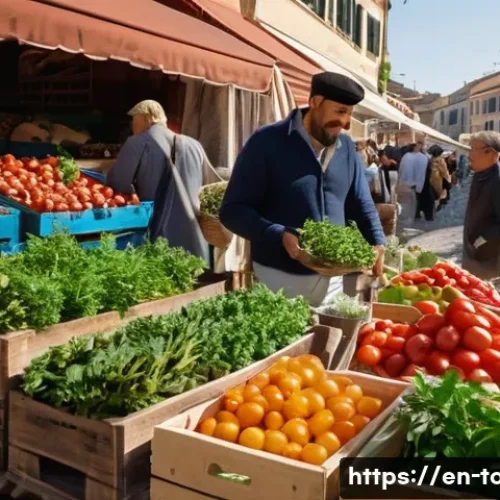
토고에서 바가지 피하는 법 - A vibrant outdoor market scene in Lomé, Togo, bustling with local vendors and shoppers. Stalls displ...

Traveling in Togo offers vibrant culture and warm hospitality, but like many destinations, visitors should be cautious to avoid common scams and overcharging.

토고에서 바가지 피하는 법 관련 이미지 1

Understanding local pricing norms and communicating clearly can save you both money and stress. From street vendors to taxi rides, knowing how to spot when you’re being charged unfairly makes your trip smoother and more enjoyable.

I’ve found that a little preparation goes a long way in navigating Togo’s bustling markets and transport systems. Let’s dive into practical tips and insights to help you travel smart and avoid paying more than you should.

Stay tuned as we explore these strategies in detail!

Understanding Local Pricing to Navigate Fair Deals

Getting a Feel for Market Prices

One of the trickiest parts about shopping in Togo is figuring out what a fair price really is. Markets can be lively, and vendors often start with high asking prices, expecting some bargaining.

From my experience, it’s a good idea to spend some time just observing prices before jumping in. Ask locals or shop around different stalls to get a sense of the typical costs for items like fabrics, crafts, or fresh produce.

This groundwork helps you avoid being caught off guard by inflated prices aimed at tourists. Remember, the initial price is rarely the final one, so patience and a friendly smile go a long way.

How to Bargain Without Feeling Rushed

Bargaining in Togo isn’t just about lowering the price; it’s a social interaction that locals enjoy. I’ve found that starting with a price about 30-50% lower than the vendor’s offer gives you room to meet somewhere reasonable.

It’s important to stay calm and respectful—aggressive haggling can backfire. If you sense the vendor is firm on their price, don’t be afraid to walk away.

Often, they’ll call you back with a better offer. Also, try to avoid bargaining on necessities like food or transport, where prices tend to be fixed or less flexible.

Learning a few phrases in French or Ewe can also help build rapport and smooth the process.

Recognizing When Prices Are Tourist Markups

Tourist areas naturally come with higher prices, but sometimes these markups can be excessive. For instance, souvenir shops near popular sites might charge two to three times what you’d pay elsewhere.

In my trips, I’ve noticed that venturing just a little off the beaten path often leads to better prices and more authentic goods. If you suspect a price is a tourist markup, politely ask locals or your hotel staff what’s reasonable.

They can point you to trusted spots and help you avoid common traps. Being informed is your best defense against paying more than necessary.

Advertisement

Smart Strategies for Taxi and Transport Fares

Understanding Typical Taxi Rates

Getting around in Togo can be quite an adventure, especially when it comes to taxis and shared transport. Unlike in some countries, taxis in Togo often don’t use meters, so agreeing on the fare upfront is crucial.

I usually ask a few drivers the going rate for my destination before choosing one. For example, rides within Lomé typically cost between 500 and 1500 CFA francs depending on distance and time of day.

If you’re heading outside the city, expect higher rates. Always confirm the price clearly before hopping in, and if you don’t speak French well, showing the driver the amount in cash can prevent misunderstandings.

Shared Taxis and Minibuses: What to Expect

Shared taxis or “clandos” are a popular and economical way to travel longer distances. They often leave only when full, so timing can be unpredictable.

Fares are generally fixed but can vary depending on demand and route. I’ve found it helpful to ask locals or fellow travelers about current rates before boarding.

These rides can be crowded and fast-paced, so be prepared for a lively experience. Keep your belongings close and your fare ready to avoid delays or confusion.

While it’s a budget-friendly option, don’t expect the same comfort or punctuality as private taxis.

Tips for Avoiding Overcharging in Transport

Overcharging happens more often when drivers realize you’re unfamiliar with local rates or the area. One trick I use is to research approximate distances and typical fares ahead of time using apps or travel forums.

If a driver tries to charge significantly more, calmly mention the rate you’ve heard from others. Sometimes showing a local currency note matching the fare can reinforce your point.

Also, avoid getting into taxis that haven’t been clearly identified or recommended by your hotel or trusted sources. When possible, use ride-hailing apps or hotel-arranged transport to minimize the risk of inflated fares.

Advertisement

Identifying Common Scams and How to React

Typical Scams in Busy Tourist Spots

In popular areas, some vendors or individuals might try to trick tourists with fake products, inflated prices, or “helpful” services that suddenly demand payment.

For example, street sellers might distract you while a partner attempts to pickpocket. I’ve learned to stay alert and keep my belongings secure, especially in crowded markets or transportation hubs.

If someone approaches offering unsolicited help or deals that sound too good to be true, it’s usually best to politely decline. Trust your instincts—if a situation feels off, walk away.

Dealing with Persistent Sellers and Unwanted Attention

Persistent vendors can be overwhelming, especially if you’re new to the environment. I’ve found that a firm but polite “No, thank you” repeated calmly often works better than ignoring or getting frustrated.

Smiling while you say it helps keep the mood light and avoids unnecessary confrontation. Sometimes, walking away confidently is the quickest solution.

If a vendor follows you or becomes aggressive, head to a crowded area or ask a nearby shopkeeper for assistance. Staying composed and knowing when to disengage is key.

When to Seek Help and How to Stay Safe

If you ever feel threatened or confused about a transaction, don’t hesitate to reach out to local authorities or your accommodation staff. I once had a situation where a taxi driver tried to detour unnecessarily, and asking the hotel concierge to call a trusted taxi saved me time and stress.

Carrying a phone with emergency numbers saved beforehand is a smart move. Also, traveling with a buddy or joining group tours can reduce vulnerability to scams.

Remember, most people you’ll meet are friendly and honest, but being prepared gives you peace of mind.

Advertisement

Practical Communication Tips for Clear Transactions

토고에서 바가지 피하는 법 관련 이미지 2

Using Local Language Basics to Your Advantage

Learning just a few words or phrases in French or Ewe can make a big difference in how vendors perceive you. I usually memorize greetings, thank you, and simple bargaining phrases before each trip.

It shows respect and can lower prices because locals appreciate the effort. Even if your accent isn’t perfect, trying to speak the language often leads to friendlier interactions and better deals.

If you’re unsure about pronunciation, using a translation app or carrying a phrasebook can help bridge the gap.

Non-Verbal Cues and Body Language

Sometimes what you don’t say speaks louder than words. In Togo, maintaining eye contact and smiling can convey confidence and friendliness, which vendors respond to positively.

Avoid looking too eager or desperate, as that can signal you’re an easy target for overcharging. When bargaining, gestures like shaking your head or holding up fingers to indicate price offers are common and effective.

Watching how locals interact and mimicking their style can help you blend in and negotiate more smoothly.

Confirming Agreements Before Paying

Before handing over any money, it’s important to repeat the agreed price aloud or show the amount clearly. I’ve found this simple step prevents a lot of misunderstandings.

If paying for a service like transport or a guided tour, ask for a receipt or some written confirmation when possible. This can be handy if disputes arise later.

Don’t be shy about clarifying what’s included in the price—sometimes extras are tacked on unexpectedly. Clear communication upfront saves hassle and ensures you get exactly what you paid for.

Advertisement

Budgeting Tips to Avoid Overspending

Setting Daily Spending Limits

Traveling in Togo can be affordable, but costs can add up quickly if you’re not careful. I recommend setting a daily budget for food, transport, and souvenirs.

This helps you stay mindful and avoid impulse purchases that might be overpriced. Keep some cash in smaller denominations for easier transactions and tipping.

Tracking your expenses in a simple notebook or app can reveal patterns and help adjust your spending as needed. Being financially disciplined means you can enjoy your trip without stress over money.

Choosing Where to Shop and Eat

Local markets and street food stalls offer authentic experiences at better prices compared to touristy restaurants or shops. I’ve had some of the best meals from small vendors who charge just a fraction of what a restaurant might ask.

However, always choose busy spots with good hygiene to avoid health issues. When shopping, avoid places with fixed high prices and look for cooperatives or artisan groups that offer fair pricing.

This way, you support the local economy and get genuine products without the tourist markup.

Using Cash Wisely and Avoiding Hidden Fees

While credit cards are accepted in some hotels and larger stores, cash is king in most parts of Togo. I always carry enough CFA francs to cover daily needs, but not so much that losing it would be disastrous.

Be cautious when exchanging money—use official exchange bureaus or banks rather than street changers to avoid counterfeit bills. Also, ask about any commission or fees upfront.

When paying, count your change carefully before walking away. These small steps protect your budget and keep your travel funds safe.

Advertisement

Common Pricing Examples to Keep Handy

Service/Product Typical Price Range (CFA Francs) Notes
Local Taxi Ride (within Lomé) 500 – 1500 Negotiate before getting in; no meter
Shared Taxi (clando) to Nearby Town 1500 – 3000 Depends on distance; leaves when full
Handwoven Fabric (per meter) 2000 – 5000 Prices vary by quality; bargain expected
Street Food Meal 500 – 1500 Choose busy, hygienic vendors
Souvenirs (small crafts) 1000 – 4000 Tourist areas charge more; bargain
Bottle of Water (500ml) 300 – 500 Available at shops and street vendors
Advertisement

글을 마치며

Navigating pricing and bargaining in Togo may seem challenging at first, but with a little preparation and patience, it becomes an enjoyable part of the travel experience. Understanding local customs and typical costs not only saves money but also helps build genuine connections with vendors. Remember, staying calm and respectful goes a long way in securing fair deals. Embrace the adventure, and you’ll find that Togo’s markets and transport offer both value and vibrant cultural encounters.

Advertisement

알아두면 쓸모 있는 정보

1. Always observe and compare prices before buying; this helps you identify fair deals and avoid tourist markups.

2. Start bargaining at about 30-50% below the vendor’s asking price, and keep the interaction friendly and respectful.

3. Confirm taxi fares upfront and consider showing the driver the fare in cash to prevent misunderstandings.

4. Learn basic phrases in French or Ewe to build rapport and smooth negotiations with locals.

5. Carry cash in smaller denominations and use official money exchangers to avoid counterfeit bills and hidden fees.

Advertisement

중요 사항 정리

Mastering local pricing requires observation, respectful bargaining, and clear communication. Avoid paying inflated tourist prices by seeking advice from locals and confirming costs beforehand. Use trusted transport options and always agree on fares upfront to prevent overcharging. Stay alert to common scams, and don’t hesitate to seek help if needed. Small language skills and non-verbal cues enhance your interactions, making your trip both economical and culturally rewarding.

Frequently Asked Questions (FAQ) 📖

Q: How can I avoid getting overcharged by taxi drivers in Togo?

A: To avoid overpaying for taxis in Togo, it’s best to agree on the fare before starting your ride. Taxi meters are rarely used, so negotiating a fixed price upfront helps prevent surprises.
Also, try to learn the approximate local rates or ask your hotel staff for guidance. If possible, use ride-hailing apps where available, as they often provide transparent pricing.
Staying calm and polite during negotiations goes a long way, and don’t hesitate to walk away if a driver insists on an unfair price.

Q: What are some common scams I should watch out for in Togo’s markets?

A: In Togo’s bustling markets, vendors might sometimes inflate prices for tourists or offer counterfeit goods. A common scam is the “switch,” where you’re shown one item but given another of lower quality.
To protect yourself, always compare prices between different stalls and don’t be afraid to bargain—it’s expected and part of the culture. Bringing a local friend or guide can also help you identify fair deals.
Trust your instincts; if a deal feels too good or a vendor seems pushy, step back and reassess.

Q: How can I ensure clear communication about prices with street vendors?

A: Clear communication starts with learning a few basic phrases in French or the local language, Ewe, as this shows respect and helps avoid misunderstandings.
Always ask for the price before showing interest in an item, and if possible, use a calculator or your phone to confirm the amount. When bargaining, keep your tone friendly but firm.
I’ve found that smiling and maintaining eye contact encourages honesty and better deals. Remember, clear communication isn’t just about words—it’s also about reading body language and being patient.

📚 References


➤ Link

– Google Search

➤ Link

– Bing Search

➤ Link

– Google Search

➤ Link

– Bing Search

➤ Link

– Google Search

➤ Link

– Bing Search

➤ Link

– Google Search

➤ Link

– Bing Search

➤ Link

– Google Search

➤ Link

– Bing Search

➤ Link

– Google Search

➤ Link

– Bing Search

➤ Link

– Google Search

➤ Link

– Bing Search
Advertisement