Unlock Togo’s Culinary Secrets: A Guide to Authentic Flavors You Can’t Afford to Miss

webmaster

Fufu and Sauce**

"A vibrant overhead shot of a bowl of steaming fufu, accompanied by a rich, peanut-based *sauce arachide* in a smaller bowl. The meal is set on a rustic wooden table, with a woven Togolese placemat underneath. Focus on the textures of the fufu and the sauce.  Fully clothed hands are shown dipping the fufu into the sauce. Safe for work, appropriate content, fully clothed, professional food photography, perfect anatomy, correct proportions, natural light, family-friendly."

**

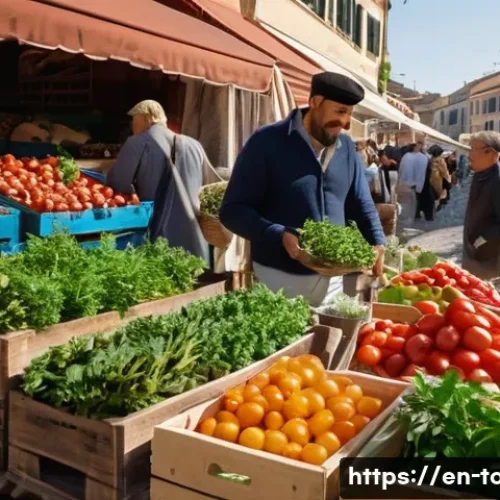
Togo, a hidden gem in West Africa, boasts a rich culinary heritage that’s just waiting to be discovered. From the bustling markets filled with vibrant produce to the smoky aromas of street food stalls, Togolese cuisine is an adventure for the senses.

Having spent some time exploring the local flavors myself, I can tell you that the blend of traditional techniques and fresh, local ingredients creates dishes that are both comforting and exciting.

Expect lots of maize, yams, plantains, and beans, often paired with flavorful sauces and grilled meats or fish. Think West African comfort food with a unique Togolese twist!

So, let’s delve deeper and explore the heart of Togolese gastronomy.

Alright, let’s dive into the vibrant world of Togolese cuisine!

Exploring the Hearty Staple: Fufu and Its Companions

unlock - 이미지 1

Fufu, a beloved staple throughout West Africa, holds a special place in Togolese meals. Forget the instant versions you might find elsewhere; in Togo, fufu is an art form.

It’s traditionally made by pounding yams, plantains, or cassava until it reaches a smooth, dough-like consistency. I remember watching a woman in a Lomé market skillfully wielding a massive pestle, her rhythmic pounding a hypnotic symphony.

The result is a creamy, slightly tangy base that perfectly complements rich, flavorful sauces.

The Art of the Sauce: Finding the Perfect Pairing

The beauty of fufu lies in its versatility – it’s all about the sauce! In Togo, you’ll find a wide array of sauces, from the fiery *sauce graine* (made with palm nuts) to the savory *sauce feuille* (a stew of leafy greens).

My personal favorite is *sauce arachide*, a peanut-based sauce that’s both nutty and slightly sweet. The thickness of the sauce clings beautifully to the fufu, ensuring every bite is packed with flavor.

Don’t be afraid to try them all – each sauce offers a unique taste experience.

Beyond the Bowl: Fufu as a Social Experience

Eating fufu in Togo isn’t just about satisfying your hunger; it’s a social experience. It’s common to share a communal bowl, tearing off pieces of fufu with your right hand and dipping them into the shared sauce.

I was initially hesitant to eat with my hands, but the warmth and generosity of the Togolese people quickly put me at ease. Sharing a meal became a way to connect and experience the true spirit of Togolese hospitality.

Grilled Delights: Discovering Togo’s Love for the Grill

Togo’s warm climate lends itself perfectly to grilling, and you’ll find grilled meats and fish offered everywhere, from roadside stalls to upscale restaurants.

The smoky aroma of grilling meat is intoxicating, and the flavors are even better. The secret lies in the marinades – often a blend of local spices, herbs, and chili peppers that infuse the meat with a unique Togolese flair.

Chicken on the Coals: The Ubiquitous Poulet Braisé

*Poulet braisé*, grilled chicken, is a national favorite. You’ll see it sizzling over charcoal grills throughout the country. The chicken is typically marinated in a mixture of ginger, garlic, chili, and other local spices before being grilled to perfection.

The skin is crispy and flavorful, while the meat remains juicy and tender. It’s often served with a side of *aloko* (fried plantains) and a spicy chili sauce.

Fish Fresh from the Sea: Exploring the Coastal Flavors

Being a coastal nation, Togo also boasts an abundance of fresh seafood. Grilled fish, often seasoned with lime, ginger, and pepper, is a common sight along the beaches.

I particularly enjoyed the grilled tilapia, which was incredibly fresh and flavorful. It’s often served with a simple side of grilled vegetables or a fresh salad.

The Spicy Side of Togo: Embracing the Heat

Togolese cuisine isn’t afraid of a little heat. Chili peppers are a staple ingredient, adding a fiery kick to many dishes. While some dishes are subtly spiced, others pack a serious punch.

If you’re sensitive to spice, be sure to ask about the heat level before ordering.

The King of Spice: Pili-Pili and Its Many Forms

*Pili-pili*, a small, fiery chili pepper, is the heart of Togolese spice. It’s used in everything from marinades to sauces to condiments. You’ll find it dried, powdered, and fresh, each form offering a slightly different level of heat.

I quickly learned to appreciate the intensity of *pili-pili*, but a little goes a long way!

Beyond the Burn: The Nuances of Togolese Spices

While *pili-pili* is the star of the show, Togolese cuisine also utilizes a wide range of other spices, including ginger, garlic, cloves, and nutmeg. These spices add depth and complexity to the dishes, creating a harmonious blend of flavors.

The use of local herbs, such as rosemary and thyme, further enhances the aromatic profile of Togolese food.

Street Food Adventures: Discovering Togo’s Culinary Gems on the Go

No exploration of Togolese cuisine is complete without venturing into the vibrant world of street food. From bustling markets to roadside stalls, you’ll find a tantalizing array of snacks and meals on offer.

Street food is not only a delicious and affordable way to experience Togolese flavors, but also a glimpse into the daily life of the locals.

Akpan: Refreshing Fermented Corn Drink

*Akpan* is a traditional fermented corn drink that’s popular throughout Togo. It has a slightly sour and refreshing taste, perfect for quenching your thirst on a hot day.

Aloko: Sweet Fried Plantains

*Aloko* is the Togolese version of fried plantains. Ripe plantains are sliced and fried until golden brown and caramelized.

Gateau: Beignets

*Gateau* are Togolese beignets. They are often sold by street vendors. Here’s a quick guide to some popular Togolese street foods:

Dish Description
Aloko Fried plantains, often served with chili sauce
Akpan Fermented corn drink, slightly sour and refreshing
Brochettes Grilled skewers of meat (beef, chicken, or goat)
Pate Corn-based porridge, often served with sauce

Vegetarian Options: A surprising abundance

While Togolese cuisine is known for its grilled meats and fish, there is also a surprising number of vegetarian dishes available. Many of the sauces are naturally vegetarian, and you can often find dishes made with beans, lentils, and vegetables.

Don’t be afraid to ask for vegetarian options – the locals are usually happy to accommodate your dietary needs.

Red-Red: Bean Stew

*Red-Red* is a bean stew which is a vegetarian dish. The dish is delicious and flavorful

Vegetable sauces: a variety of plant-based sauces

Many of the sauces are naturally vegetarian, and you can often find dishes made with vegetables.

Drinks

Togo offers a variety of drinks, both alcoholic and non-alcoholic. Sodabi is a local spirit made from palm wine, while Tchoukoutou is a beer.

Sodabi: A Togo-produced spirit

*Sodabi* is a spirit made from distilled palm wine. It is sometimes flavored with herbs and spices.

Tchoukoutou: a homemade beer

*Tchoukoutou* is a popular locally brewed beer, offering a taste of tradition in every sip.

Concluding Thoughts

Exploring Togolese cuisine is more than just tasting new flavors; it’s an immersion into a vibrant culture. From the communal experience of sharing fufu to the fiery kick of pili-pili, every dish tells a story. So, the next time you have the opportunity, don’t hesitate to dive into the culinary delights of Togo – your taste buds will thank you!

Good to Know

1. Currency: The currency used in Togo is the West African CFA franc (XOF). It’s pegged to the Euro, making it relatively stable.

2. Tipping: Tipping isn’t customary in Togo, but it’s always appreciated for good service. Rounding up the bill is a common practice.

3. Haggling: Haggling is common in markets and for taxi fares. Don’t be afraid to negotiate a fair price.

4. Language: The official language of Togo is French, but several local languages are also spoken. Learning a few basic French phrases will go a long way.

5. Health: It’s recommended to consult with your doctor about vaccinations and malaria prevention before traveling to Togo.

Key Takeaways

• Fufu is a staple dish, best enjoyed with a variety of sauces.

• Grilled meats and fish are readily available and packed with flavor.

• Togolese cuisine is known for its use of chili peppers, adding a spicy kick to many dishes.

• Street food offers a delicious and affordable way to experience Togolese flavors.

• While meat-centric, vegetarian options are available and worth exploring.

Frequently Asked Questions (FAQ) 📖

Q: What are some must-try Togolese dishes for a first-time visitor?

A: Oh, you absolutely HAVE to try Akume, which is like a fermented corn porridge served with a flavorful sauce, often made with tomatoes and peppers. It’s a staple!
Then there’s Koklo Meme, grilled chicken marinated in spices – the smoky flavor is incredible. And don’t miss out on Fufu, pounded yam or cassava, usually served with a rich, meaty stew.
Trust me, you’ll be hooked. I practically lived on Koklo Meme when I was there! The street vendors make it best, in my humble opinion.

Q: Are there any specific spices or ingredients that are commonly used in Togolese cooking?

A: Definitely! You’ll find that Togolese cuisine often features a blend of aromatic spices like ginger, garlic, chili peppers, and cloves. One ingredient I noticed a lot was a spice called “Afitin,” which has a slightly peppery and citrusy flavor – it really brightens up sauces.
Also, the use of groundnuts (peanuts) is very common, adding richness and depth to many dishes. I remember being surprised at how often peanuts popped up, but they always added something special.

Q: What’s the best way to experience authentic Togolese food culture?

A: Without a doubt, hit up the local markets! That’s where you’ll find the freshest ingredients and get a real sense of the vibrant food scene. Don’t be afraid to try street food – that’s where some of the most delicious and authentic dishes are hiding.
Engage with the vendors, ask them about the ingredients and how they prepare the food. Many of them are happy to share their knowledge and stories. Plus, eating with your hands is often encouraged, which just adds to the experience!
Seriously, nothing beats grabbing a plate of Akume from a street vendor and digging in. You’ll feel like a local in no time.