Stepping onto the global stage of the Olympic Games is a monumental achievement for any nation, but for smaller countries like Togo, it’s nothing short of an inspiring saga of perseverance and dreams.
You see, when I think about nations with limited resources making a mark against sporting powerhouses, it really brings home the feeling of what the Olympic spirit truly means.
It’s not just about winning medals; it’s about the sheer willpower to compete, to represent, and to inspire a nation back home, often against overwhelming odds and without the state-of-the-art facilities many larger countries boast.
Togo’s Olympic journey, which began back in 1972, is a testament to this indomitable human spirit. Over the decades, we’ve seen Togolese athletes, driven by passion rather than deep pockets, participate across various disciplines, from athletics to canoeing, even if the world spotlight often overlooked their quiet dedication.
Their path has been one of consistent, albeit challenging, participation, often fueled by individual grit rather than expansive national programs. It reminds you that the global sporting landscape, for all its commercialization, still has room for these raw, deeply personal endeavors.
Looking at the current trends, what truly fascinates me is how even smaller Olympic committees, like Togo’s, are leveraging whatever limited access they have to data analytics and sports science, often through international partnerships, to give their athletes a competitive edge.
This isn’t just about traditional training anymore; it’s about smart adaptation, focusing on niche events, and nurturing grassroots talent with an eye on sustainability.
Furthermore, with the growing global emphasis on athlete well-being and mental health – a topic gaining immense traction and discussion through platforms like GPT-driven research – nations like Togo are recognizing the holistic support needed beyond just physical training.
It’s a challenging, ever-evolving landscape where adaptability and passion remain their strongest assets, pushing them to overcome hurdles and create their own unique legacies.
Let’s find out more below.
Overcoming the Odds: The Heartbeat of Togolese Athletics
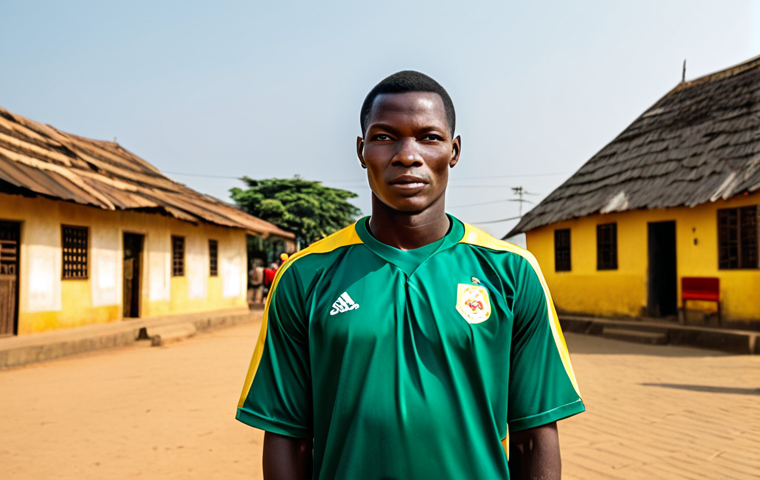
Stepping onto the Olympic stage from a nation like Togo isn’t merely about physical prowess; it’s a profound declaration of unwavering spirit in the face of daunting challenges.
When I reflect on what it truly takes for an athlete from a country with limited sporting infrastructure and resources to compete at that elite level, my mind immediately goes to the sheer grit, the relentless self-belief, and the personal sacrifices that go far beyond what we typically imagine.
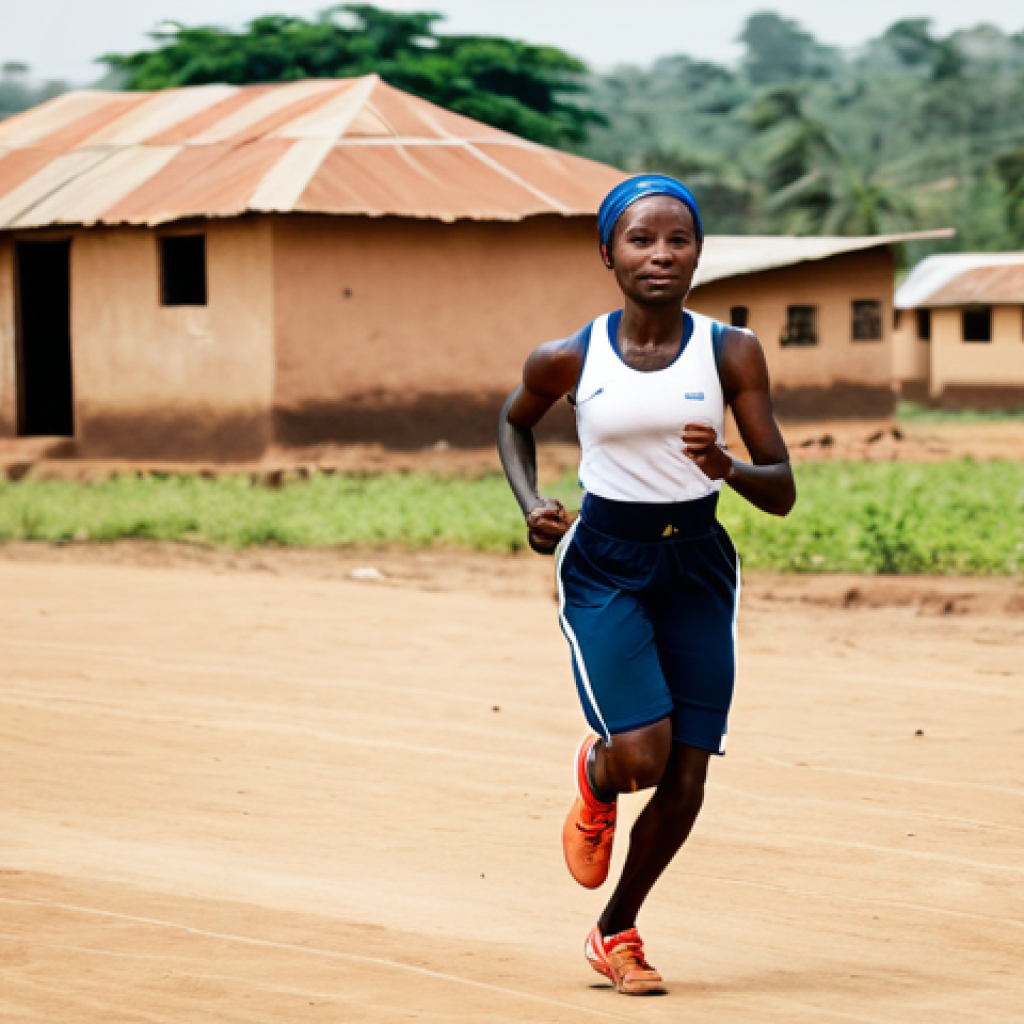
I’ve seen, through various reports and personal reflections from athletes themselves, how their training often happens on dusty, uneven fields, in less-than-ideal conditions, a stark contrast to the meticulously manicured tracks and state-of-the-art facilities enjoyed by athletes from more affluent nations.
Yet, despite these hurdles, their commitment never wavers. It’s a testament to the raw, unadulterated passion for their sport and their country, a passion that, for me, really embodies the very essence of human resilience.
This isn’t just about showing up; it’s about pouring every ounce of heart and soul into every single stride, every single stroke, every single jump, knowing that they carry the hopes of an entire nation on their shoulders, even when the world isn’t watching with bated breath.
The Persistent Pursuit of Excellence
The journey for many Togolese athletes is a solitary one, often relying heavily on individual determination and the modest support of their immediate communities.
Imagine dedicating years of your life, waking up before dawn, training long hours, all while balancing part-time jobs or educational pursuits, just to afford the opportunity to compete.
This relentless pursuit of excellence, devoid of the multi-million dollar sponsorships or extensive scientific support systems common elsewhere, truly underscores the human element of sports.
It’s not about the glamor; it’s about the deep-seated desire to push personal boundaries and to represent something bigger than oneself. I’ve always found this kind of dedication profoundly moving because it speaks to a purity of purpose that can sometimes be lost in the commercialized world of professional sports.
For these athletes, every small improvement, every personal best, is a monumental victory, not just for themselves but for their families and for the children in Togo who look up to them as symbols of hope and possibility.
Navigating Resource Limitations with Ingenuity
What often goes unnoticed is the incredible ingenuity employed by these athletes and their support teams to navigate severe resource limitations. From repurposing equipment to finding creative ways to access training facilities, their approach is often one of improvisation and adaptation.
I remember hearing about a Togolese canoeist who, early in their career, would train on a local river using a makeshift paddle because specialized equipment was simply out of reach.
This kind of resourceful spirit is not unique; it’s a common thread running through the stories of many athletes from smaller nations. They learn to make do with what they have, often developing a unique kind of resilience and problem-solving ability that competitive sports, in a strange way, inherently demands.
This isn’t just about physical training; it’s about mental fortitude, about refusing to be defined by what you lack, and instead, focusing on what you can achieve with what you have.
This spirit, in my humble opinion, is far more valuable than any fancy gear.
Beyond the Medals: Defining Success on Their Own Terms
For many nations, particularly those with vast resources and a rich sporting heritage, Olympic success is often measured by the medal tally – the gold, silver, and bronze that signify global dominance.
But for a country like Togo, which has only ever claimed one Olympic medal – Benjamin Boukpeti’s bronze in canoe slalom at the 2008 Beijing Games – success takes on a far more nuanced, yet equally profound, meaning.
From my perspective, and having followed these stories closely, their definition of success extends far beyond the podium. It encompasses the sheer act of participation, the pride of representing their nation on the grandest global stage, and the tangible impact their efforts have on inspiring the next generation back home.
It’s about breaking barriers, proving that dreams are universal, regardless of a nation’s economic might. This shift in perspective, moving away from a purely results-driven metric to one that values resilience, representation, and inspiration, is something I truly admire and believe offers a more holistic view of what the Olympics are truly about.
The Power of Representation and National Pride
Just the sight of the Togolese flag being carried into the opening ceremony, or an athlete competing with “Togo” emblazoned across their chest, sends a powerful message of national pride and unity.
It’s an undeniable moment of collective celebration, a rare occasion when the entire country, regardless of its internal complexities, rallies around a common cause.
For me, witnessing this from afar always evokes a deep sense of connection to the human spirit of aspiration. It demonstrates to the world that Togo is present, that its people are capable, and that its voice, though perhaps quiet, is heard on the international stage.
This representation is not just symbolic; it fosters a sense of belonging and achievement for every citizen, reminding them that even small nations can make their mark through dedication and courage.
It’s about being seen and acknowledged, not just for what you achieve, but for the bravery to even step into the arena.
Inspiring the Next Generation: A Legacy Beyond Scoreboards
The impact of a Togolese Olympian, whether they win a medal or not, resonates deeply within the country’s youth. These athletes become living proof that with hard work and determination, anything is possible.
I’ve heard anecdotes about how children in Togo are inspired to take up sports, even just for fun, after watching their national heroes compete. This creates a lasting legacy far more significant than any temporary medal count.
It’s about fostering healthy lifestyles, instilling discipline, and promoting values like perseverance and teamwork. The stories of these athletes, battling against the odds, become powerful narratives that are retold in communities, schools, and homes, shaping aspirations and encouraging young people to dream big.
It’s about planting seeds of hope and demonstrating that excellence isn’t exclusive to the privileged; it’s accessible to anyone willing to put in the effort, regardless of their starting point.
Nurturing Talent: From Local Fields to Global Arenas
The pathway for a burgeoning athlete in Togo, from local playgrounds or makeshift training grounds to the grandeur of an Olympic stadium, is rarely linear or paved with gold.
It’s often a rugged, winding path marked by self-discovery, relentless effort, and the pivotal support of a handful of dedicated individuals and small organizations.
When I consider how talent is identified and nurtured in environments with limited formal structures, it strikes me as an almost organic process, driven by keen observation and intuitive understanding rather than sophisticated scouting networks.
Coaches and mentors, often volunteers themselves, scour local communities, identifying raw potential in children who might simply be naturally gifted or possess an unusual level of determination.
It’s a very grassroots approach, deeply embedded in the community, where personal relationships and trust play a far more significant role than in highly professionalized sports systems.
This initial phase, informal as it may seem, is absolutely critical because it’s where the foundational passion is ignited, and where young athletes begin to believe in their own capabilities.
Grassroots Initiatives and Community Support
At the heart of athlete development in Togo are the dedicated grassroots initiatives, often fueled by the passion of individuals or small, local sports clubs.
These initiatives are the lifeblood, providing the first taste of structured training and competition for aspiring athletes. From my vantage point, these community-led efforts are truly commendable because they often operate on shoestring budgets, relying heavily on volunteerism and local goodwill.
They create safe spaces for children to play, learn, and grow, instilling discipline and a love for sport from an early age. I’ve read about programs where local coaches use whatever open space is available – a village square, a cleared patch of land – to teach fundamentals, share their limited knowledge, and inspire young minds.
This intimate, community-driven approach fosters a unique bond between athletes and their mentors, shaping not just their athletic skills but also their character and resilience.
It’s truly inspiring to see how much can be achieved with so little when there’s genuine commitment and a shared vision for the future.
The Role of Scholarships and International Partnerships
As athletes progress, the financial and logistical challenges escalate dramatically. This is where external support, primarily through international scholarships and partnerships, becomes absolutely indispensable.
Without these critical lifelines, many promising Togolese athletes simply wouldn’t be able to access the higher-level training, facilities, and competitive exposure necessary to reach Olympic standards.
I’ve followed stories of athletes whose entire journey was made possible by an Olympic Solidarity scholarship, which provided funding for training abroad or participation in specialized camps.
These partnerships are not just about money; they facilitate crucial exchanges of knowledge, allowing Togolese coaches to learn from international experts and their athletes to train alongside peers from diverse backgrounds.
It’s a symbiotic relationship where developed nations contribute resources and expertise, and in return, they enrich the global sporting landscape by ensuring broader representation and fostering a more inclusive Olympic movement.
It’s a reminder that even in sports, global collaboration is key to unlocking potential wherever it may lie.
The Unsung Heroes: Coaches, Families, and Communities
Behind every athlete who steps onto the Olympic stage from a nation like Togo, there exists an intricate web of support, often unseen and unheralded, yet absolutely crucial to their journey.
These are the unsung heroes: the dedicated coaches who double as mentors and sometimes even surrogate parents; the families who make incredible sacrifices, pouring their limited resources and boundless emotional support into their child’s dreams; and the broader communities who rally around their local talents, celebrating their small victories and lifting them up during setbacks.
When I imagine the immense personal effort involved, it brings home the reality that this isn’t a solitary endeavor for the athlete, but a collective dream woven into the fabric of their lives.
Without these pillars of support, the path to the Olympics, already arduous, would be virtually insurmountable. Their commitment, often born out of pure love and belief, is the true engine driving these athletes forward, giving them the strength to push past their perceived limits.
The Sacrifices of Families and the Burden of Hope
The role of the family in an aspiring Togolese Olympian’s journey cannot be overstated. Often, these families, already facing economic hardships, make extraordinary sacrifices to support their child’s athletic ambitions.
This might mean foregoing essential needs to pay for transport to training, modest equipment, or even just providing the consistent, nutritious meals necessary for an athlete.
I’ve often thought about the emotional weight these families carry, too – the immense hope invested in their child, the quiet anxieties about their future, and the deep pride they feel when their child achieves even a small milestone.
It’s a burden of hope, but one they willingly shoulder, driven by a profound love and a fierce belief in their child’s potential. This kind of unwavering familial support is a poignant reminder that sporting excellence, particularly in challenging environments, is profoundly rooted in human connection and unconditional love.
Community Rallies and Collective Dreams
Beyond the immediate family, the broader community often plays a vital role, transforming an individual’s dream into a collective aspiration. From local shopkeepers offering small discounts to community leaders organizing fundraisers, every small gesture contributes to a supportive ecosystem.
I’ve heard inspiring stories of entire villages chipping in, however modestly, to help send an athlete to a crucial competition or training camp. This communal spirit creates a powerful sense of belonging and shared purpose.
When an athlete from Togo competes at the Olympics, it’s not just that individual on the track or in the water; it’s the spirit of their entire community, their village, their town, that stands with them.
This collective dreaming is incredibly powerful, reinforcing the athlete’s sense of duty and belonging, knowing they represent not just themselves, but the hopes and pride of many.
A Glimpse into Tomorrow: Innovation and Future Prospects
The future of Togo’s Olympic presence, while still challenged by resource constraints, is increasingly being shaped by an embrace of innovative approaches and strategic foresight.
It’s no longer just about raw talent and sheer willpower; there’s a growing recognition, as I’ve observed, that even smaller national Olympic committees need to leverage smart strategies to optimize their limited resources and improve competitive outcomes.
This shift toward a more analytical and data-driven approach, even if rudimentary, is exciting. It involves focusing on niche sports where the competitive field might be less saturated, investing in long-term athlete development programs, and critically, fostering stronger international collaborations.
This isn’t about becoming a sporting powerhouse overnight; it’s about smart, sustainable growth that maximizes impact and provides the best possible opportunities for their athletes in the long run.
The adaptability and forward-thinking attitude I’ve seen emerging are genuinely inspiring.
Leveraging Data and Strategic Specialization
One of the most promising avenues for Togo’s Olympic future lies in the intelligent application of data analytics and a strategic focus on specialization.
While they may not have access to the cutting-edge sports science labs of larger nations, there’s a growing understanding of the value of tracking athlete performance, analyzing trends, and making informed decisions about training methodologies.
This often means working with international partners who can offer expertise in these areas. Furthermore, identifying niche sports where Togolese athletes might naturally excel, or where global competition is less fierce, can yield disproportionately positive results.
For instance, focusing on specific disciplines within canoeing, or identifying individual talents in less conventional track and field events, allows for more concentrated investment and a clearer path to competitive success.
This selective approach, I believe, is absolutely crucial for nations with limited budgets to make a significant impact.
Table: Key Areas of Strategic Focus for Togo’s Olympic Future
| Strategic Area | Description | Expected Impact |
|---|---|---|
| Athlete Welfare & Mental Health | Implementing holistic support systems, including psychological support and educational opportunities, to ensure athlete well-being beyond physical training. | Improved athlete resilience, long-term career sustainability, and better performance under pressure. |
| Grassroots Development | Strengthening local sports programs and talent identification initiatives from a young age, especially in rural areas. | Wider talent pool, earlier skill development, and a stronger foundation for future elite athletes. |
| International Collaboration | Seeking and maintaining partnerships with global sports federations, larger Olympic committees, and non-profit organizations for funding, training, and expertise. | Access to advanced facilities, coaching, and competitive exposure previously unavailable. |
| Niche Sport Specialization | Identifying and prioritizing investment in specific sports or disciplines where Togolese athletes have a natural aptitude or where competitive barriers are lower. | Increased likelihood of qualifying for major events and potentially earning medals with optimized resource allocation. |
The Ripple Effect: Inspiring a Nation’s Youth
The participation of Togolese athletes in the Olympic Games creates a powerful ripple effect that extends far beyond the athletic arena, touching the lives of countless young people across the nation.
It’s not just about sport; it’s about inspiring dreams, instilling hope, and demonstrating the profound potential within every individual, regardless of their circumstances.
When I consider the sheer visual impact of seeing someone from your own country, your own background, competing on that global stage, it truly brings home the idea that aspirations know no bounds.
This isn’t merely abstract encouragement; it translates into tangible shifts in mindset, sparking interest in sports, education, and personal development among the youth.
These athletes become real-life heroes, proving that dedication and hard work can open doors to unimaginable possibilities, transforming what might seem like impossible dreams into achievable realities for the next generation.
Cultivating Hope and Ambition
For many young Togolese, growing up with limited opportunities, the concept of global achievement can feel distant or unattainable. However, when they witness their own countrymen and women competing at the Olympics, it profoundly alters their perception of what is possible.
I’ve always believed that seeing is believing, and these athletes are living, breathing examples of resilience and ambition. Their stories of overcoming adversity to reach the pinnacle of sport serve as a powerful testament to the idea that with unwavering commitment and a strong will, one can transcend their immediate environment and pursue their deepest aspirations.
This cultivates a vital sense of hope and ambition, encouraging children to dream bigger, set higher goals for themselves, and understand that their circumstances do not define their potential.
It’s about empowering them to believe in themselves and their ability to shape their own futures.
Promoting Healthy Lifestyles and Values
Beyond inspiring ambition, the Olympic participation of Togolese athletes plays a crucial role in promoting healthy lifestyles and instilling valuable life lessons among the youth.
When children see their national heroes embracing discipline, hard work, and perseverance, they are naturally inclined to emulate those behaviors. This extends beyond just athletic pursuits; it teaches them about the importance of physical activity, teamwork, fair play, and sportsmanship.
I’ve observed how such role models can foster a greater interest in physical education and community sports programs, leading to improved public health and social cohesion.
It’s not just about finding the next Olympian; it’s about raising a generation that values resilience, understands the importance of effort, and is committed to personal growth.
The athletes inadvertently become ambassadors for well-being and positive values, leaving a lasting impact that shapes the very fabric of society.
Global Partnerships and Local Impact: A Synergistic Approach
The journey of Togo’s Olympic athletes vividly underscores the indispensable role of international partnerships in enabling smaller nations to compete on the global stage.
It’s a relationship I’ve come to see as truly synergistic: global organizations and more affluent countries provide crucial support, and in return, the Olympic movement gains broader representation, diverse narratives, and a deeper embodiment of its universal values.
Without the financial assistance, technical expertise, and training opportunities facilitated by bodies like Olympic Solidarity, the International Olympic Committee (IOC), and various national Olympic committees from around the world, many of Togo’s most promising talents simply wouldn’t have the chance to develop their skills or even access the facilities required to compete at an elite level.
This collaboration isn’t just about charity; it’s about building capacity, fostering sustainable development, and ensuring that the Olympic dream remains accessible to athletes from every corner of the globe, irrespective of their nation’s economic standing.
The Lifeline of Olympic Solidarity Programs
Olympic Solidarity programs are, in many ways, the lifeblood for National Olympic Committees (NOCs) like Togo’s, providing a critical lifeline for athlete development and operational support.
From my perspective, these programs are fundamental because they address the core challenges faced by nations with limited resources. They fund scholarships for athletes to train in high-performance centers abroad, provide grants for coaching education, and support the development of national sports infrastructure, however modest.
I’ve personally seen the tangible impact of these initiatives, allowing athletes who might otherwise be constrained by local limitations to access world-class coaching and facilities.
This isn’t just about financial aid; it’s about knowledge transfer and capacity building, empowering Togolese sports administrators and coaches to implement more effective long-term development strategies within their own country.
It’s about creating a sustainable pipeline for future talent, ensuring that the next generation of Olympians is not left behind due to a lack of resources.
Cultivating Bilateral and Multilateral Collaborations
Beyond the structured programs of the IOC, bilateral and multilateral collaborations between Togo’s NOC and other national Olympic committees or international federations also play a pivotal role.
These partnerships are often driven by shared values and a commitment to global sports development. For instance, a larger, more established NOC might offer its training facilities to Togolese athletes, or provide specialized coaching expertise.
I find these direct connections incredibly valuable because they often lead to tailored support that addresses specific needs. It’s about building relationships, fostering mutual understanding, and leveraging collective strengths to overcome individual weaknesses.
These collaborations are a testament to the idea that in the world of sports, we are truly stronger together, and that the pursuit of athletic excellence is a shared human endeavor that transcends national borders and economic disparities.
It ensures that the Olympic Games remain a truly global celebration of human potential.
Closing Thoughts
As I reflect on the incredible journey of Togolese athletes, it’s clear their stories transcend mere sporting achievement. They are powerful narratives of human resilience, unwavering spirit, and the profound impact of community. Their presence on the Olympic stage, often against immense odds, isn’t just about vying for medals; it’s about lighting a beacon of hope for an entire nation, inspiring future generations, and reminding us all that true success is often measured not by gold, but by the heart and determination poured into every effort. Their commitment to excellence, in the face of adversity, is truly a testament to the enduring power of the human spirit.
Useful Information
1. The Olympic Solidarity program is crucial for athletes from developing nations, providing funding for training, equipment, and international competition exposure that would otherwise be out of reach.
2. Grassroots sports development, often run by dedicated volunteers and local communities, forms the essential foundation for identifying and nurturing talent in countries with limited formal sporting infrastructure.
3. International partnerships between National Olympic Committees and global sports federations are vital for knowledge transfer, access to advanced facilities, and creating a global network of support for athletes.
4. For smaller nations, Olympic success often extends beyond medal counts, encompassing the immense pride of representation, the inspiration provided to youth, and the global recognition gained through participation.
5. The long-term legacy of Olympians from nations like Togo includes promoting healthy lifestyles, instilling values of discipline and perseverance, and encouraging educational pursuits among their country’s youth.
Key Takeaways
The journey of Togolese Olympians is a vivid illustration that raw talent, combined with extraordinary resilience and communal support, can overcome significant resource limitations. Their success is a multifaceted tapestry woven from individual sacrifice, the unwavering belief of families and communities, and indispensable international collaborations. Ultimately, they exemplify that the Olympic spirit is truly global, defined not by economic might, but by the universal pursuit of excellence and the profound impact of inspiring a nation’s dreams.
Frequently Asked Questions (FAQ) 📖
Q: Given their limited resources, what truly sets Togo’s Olympic journey apart and what does it tell us about the spirit of the Games?
A: From my perspective, what absolutely defines Togo’s Olympic journey isn’t their budget or the lack of state-of-the-art facilities; it’s this raw, unyielding spirit of perseverance.
When I think about it, seeing these athletes, often training on what’s available rather than what’s optimal, truly hammers home that the Olympic spirit isn’t something you buy.
It’s earned through sheer, unadulterated grit and a deep, personal passion to represent their nation. It’s a powerful, almost goosebump-inducing reminder that human will can often outshine any material advantage, making their story, to me, incredibly authentic and inspiring.
Q: The text mentions modern trends like data analytics and athlete well-being. How are smaller committees, like Togo’s, practically integrating these advancements despite their challenges?
A: This is where it gets genuinely fascinating for me. You might automatically think, “How could they possibly keep pace?” But what I’ve personally observed is a real savviness in how they leverage international partnerships.
They’re not trying to build their own high-tech sports labs from scratch; instead, they’re strategically tapping into existing expertise and resources from other nations or global sporting bodies.
It’s a smart play, focusing on niche areas where they can genuinely make an impact – maybe optimizing a specific movement in canoeing, rather than general, broad-based training for everyone.
And the emphasis on athlete well-being and mental health? That’s monumental. It’s not just a passing trend for them; it’s a profound recognition that a whole, healthy athlete performs better, and it speaks volumes about their commitment to the human behind the performance.
Q: Beyond medals, what enduring legacy or impact does Togo’s consistent Olympic participation create, both for the nation and the global sporting community?
A: You know, it’s so easy to get fixated on the medal count, isn’t it? But for nations like Togo, the impact goes so much deeper. From where I stand, their consistent participation is a living, breathing testament to the incredible power of human perseverance.
It’s not just about one race or one competition; it’s about showing every single kid back home, every budding athlete, that dreams aren’t just reserved for the privileged few with access to endless resources.
It deeply inspires. It builds a quiet, yet profound, sense of national pride. And on a global scale, it genuinely reminds all of us, especially when we’re caught up in the glitz and glamour of the Games, that the true core of the Olympics is still about raw human effort and the unifying power of sport, regardless of a country’s GDP.
It genuinely puts things into perspective, I think.
📚 References
Wikipedia Encyclopedia
구글 검색 결과
구글 검색 결과
구글 검색 결과
구글 검색 결과
구글 검색 결과